Why Does the Waiter Make You Taste the Wine First?

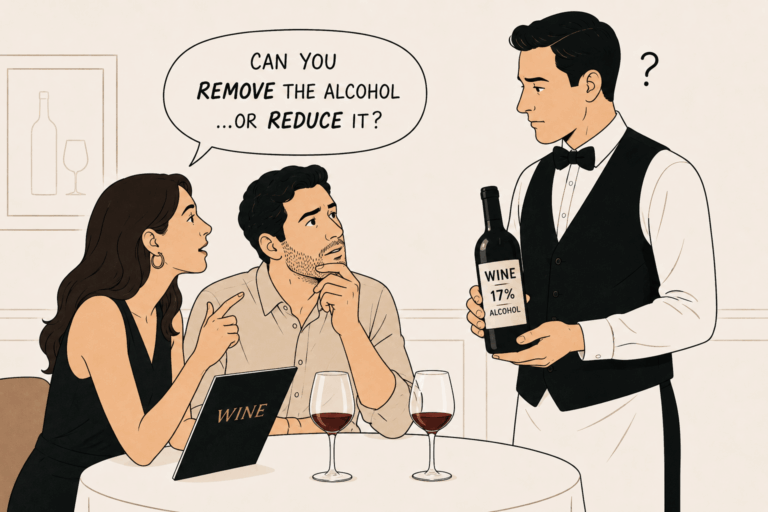
You’re enjoying a lovely dinner. The bottle you ordered arrives, everyone is chatting, life is good. Then the waiter opens it, pours approximately three drops into your glass and waits. Welcome to the little ritual behind why waiters make you taste wine first, which everyone wonders about and nobody dares to ask.
Suddenly the whole table is looking at you. Your partner stops mid-sentence. Your friends lean in. Even the waiter seems unusually interested in your opinion.
You swirl the glass because you’ve seen people do it. You sniff, take a tiny sip and nod thoughtfully, as though you’ve just detected something fascinating about the grapes. Meanwhile your brain is screaming, What exactly am I supposed to be tasting?
Relax. You’re not being interviewed for the position of Head Sommelier, and nobody expects blackberry, leather and a vineyard owner’s childhood memories.
Here is the part nobody mentions: that tiny pour is also your one clear chance to speak up if something is wrong with the bottle. And no, you’re not the only one who has wondered whether a taste before ordering will quietly appear on the bill.
Quick Facts
- The purpose: to check the wine is in good condition, not to ask whether you like it
- The label check: confirm the producer, wine and vintage before the bottle is opened
- When to send it back: if it smells or tastes faulty, such as musty, flat or vinegary
- When not to: if it’s sound but simply not your style
- The easy line: “Yes, that’s lovely, thank you.”
- A taste before you order is a different thing: it’s a preview, and whether it’s free is up to the restaurant, so ask
Why Does the Waiter Pour You a Little Wine First?
The small pour is there to check that the wine is in good condition before it’s served to everyone. As wine writer Jamie Goode puts it, you’re looking for an obvious fault, and you are not deciding whether the wine is right for you tonight.
The first step actually happens earlier. Before opening the bottle, the waiter should show you the label so you can confirm it’s the wine you ordered. Check the producer, the name and the vintage, especially if you’ve chosen something expensive. If you ordered a 2019 Chianti Classico and the label says 2022, speak up before the cork comes out. If the cork lands next to your glass, I explained what to do with it in Why Do People Smell the Wine Cork?
In better restaurants, the sommelier will ideally have tasted the bottle at a side station before it ever reaches you. After that, you only need a quick smell and a sip. Some people swirl, sniff and stare into the glass for so long you’d think the wine owed them money. If everything seems fine, just say, “Yes, that’s lovely, thank you.” The waiter pours and dinner carries on. Nobody needs to know your tasting notes were red, wet and quite nice.
What If the Waiter Brings You Two Wines Before You Order?
There is a second version of this moment that confuses people even more.
You’re staring at the list, trying to choose between two wines by the glass. The waiter, being kind, brings a small pour of each, two glasses, two different bottles. And now you’re holding them with one very loud thought: is this free, or will it show up on the bill at the end of the night?
Nearly everybody has wondered it, and hardly anybody asks. Nobody wants to discover a mysterious line for “research” next to the dessert.
This tasting is different from the one we just covered. The pour after you’ve ordered a bottle checks for faults. This one is a preview to help you choose, and asking politely to try a wine before ordering is perfectly acceptable, as long as you don’t ask to taste the whole list. Whether it’s free depends on the restaurant, and I couldn’t find a rule that applies everywhere, so the simple answer is to ask. Better still, ask before the glasses arrive.
Before they pour: “Could I try the two before I decide? Is there a charge for the taste?”
After they pour: “Is this a complimentary taste, or will it be on the bill?”
That’s all it takes, and the waiter has heard it a hundred times.
What If the Wine Tastes Wrong?
This is where the little ritual becomes genuinely useful.
Sometimes a bottle has a fault. The best known is cork taint, caused by a compound called TCA, which can make a wine smell musty, like damp newspaper or a mouldy cellar. Oxidised wine can taste flat and tired, and wine with too much volatile acidity can smell like vinegar or nail-polish remover. A screw-capped bottle can’t be corked, but it can still have other faults.
You don’t need to name the problem. If something seems wrong, ask the waiter or sommelier to check.
A good restaurant should take that seriously, and a faulty wine is normally replaced. Jamie Goode argues that staff shouldn’t debate it with you: if a guest thinks the wine is corked, the table’s wine is treated as corked and replaced without a negotiation. It’s also worth asking before you decide, because the problem might be the glass or the temperature, and an experienced sommelier can usually tell. Please don’t feel embarrassed. You’re paying for a bottle of wine, not volunteering to drink something that smells like a forgotten towel.
Just remember that unfamiliar isn’t the same as faulty. Some perfectly sound wines have unusual aromas, especially in a style you’ve never tried.
Can You Send Wine Back Just Because You Don’t Like It?
Ah. The question that separates a faulty wine from an unfortunate decision.
Imagine ordering a crisp, dry Italian white because the name sounded beautiful, then realising you wanted something soft and fruity. The wine hasn’t done anything wrong. It’s simply being the wine you ordered.
A faulty bottle is a valid reason to ask for a replacement. Simply disliking a sound wine doesn’t automatically entitle you to one.
Some restaurants will offer an exchange as a courtesy, especially if you explained what you like and the waiter recommended the bottle. Others won’t, so ask politely rather than assume.
Timing matters too. If you’re unhappy, say so straight away. Don’t finish three-quarters of the bottle and then announce that you’ve been suspicious since the start. At that point, even the empty bottle would have questions.
The easiest way to avoid disappointment is to ask for guidance before you order. Say whether you like dry or fruity, light or full-bodied, and how much you’d like to spend. There’s nothing embarrassing about asking for help, and it’s far less embarrassing than pretending to love a €90 bottle because you don’t want the waiter to think you’re uncultured. If you’re eating in Italy, 3 Italian Wine Facts That Will Change How You Order in a Restaurant will help you order with less stress.
The Three Lines You Need at the Table
Whatever happens in the glass, these three lines cover it.
If the wine seems fine: “Yes, that’s lovely, thank you.”
If something seems wrong: “Would you mind checking this? I’m not sure it smells right.”
If you’re unsure: “Could you taste it and tell me what you think?”
No speech required. And if you really don’t want to be the taster, you can pass the glass to someone else at the table. Just make sure it’s someone you trust, and preferably not the friend who claims to be a wine expert because he once spent a weekend in Tuscany.
For more small habits that make restaurant wine easier, my 9 Wine Etiquette Habits to Know covers the basics.
Frequently Asked Questions
Why does the waiter pour a small taste of wine first?
To check the wine is in good condition before it’s served to the table. It’s a test for faults, not a vote on whether you like the wine.
Do I have to swirl and sniff?
No. A quick smell and a sip are enough. If the wine seems fine, a simple “Yes, thank you” does the job.
Can I send back wine I just don’t like?
Not as a right. A faulty bottle is a valid reason for a replacement, while a sound wine you don’t enjoy usually isn’t. Some restaurants will exchange it as a courtesy, especially if the waiter recommended it, so ask politely.
Is a wine taste in a restaurant free?
There is no universal rule. Asking to sample a wine before ordering is generally acceptable, but whether the restaurant charges for it is up to them, so ask before the glasses are poured. The small pour after you order a bottle is a different thing: it’s the fault check, not a preview.
What does corked wine smell like?
Usually musty, like damp newspaper, wet cardboard or a mouldy cellar. In milder cases the wine just smells dull and the fruit seems muted.
Can a screw-capped bottle be corked?
No, because cork taint comes from cork. A screw-capped wine can still have other faults, so the taste still has a purpose.
One Last Thing
I think the tasting moment is awkward because we treat it like an exam. It isn’t one. You’re a customer checking that what you’ve paid for is in good shape, and the polite way to do that is to smell it, taste it and say what you think.
So here’s my question. Have you ever held two small glasses of wine and wondered if they’d end up on the bill? Tell me I’m not the only one.
— Kelly 🍷
#WineEtiquette #RestaurantWine #WineTasting #WineFacts #WineTips
Continue Reading
- Why Do People Smell the Wine Cork? (Hint: It’s Not to Judge the Wine)
- Wine Mistakes Tourists Make in Italy
- Wine Jokes #11: What the Sommelier Is Actually Thinking
Sources
- Wine Anorak (Jamie Goode): When is it acceptable to reject a wine in a restaurant? How to manage the taste
- Wine Australia: Finding faults, when to send wine back
- The Irish Times (John Wilson): Wine tasting tradition serves a purpose
- VinePair: The 7 mistakes you’re making at the wine bar
- Daily Herald: 9 do’s and don’ts of ordering wine in restaurants
Information checked in November 2026. Restaurant policies on replacing bottles vary, so ask politely rather than assume.
Enjoy wine without the snobbery?
Make The Finest Italian Wine one of your Preferred Sources on Google.
Add The Finest Italian Wine to Preferred Sources