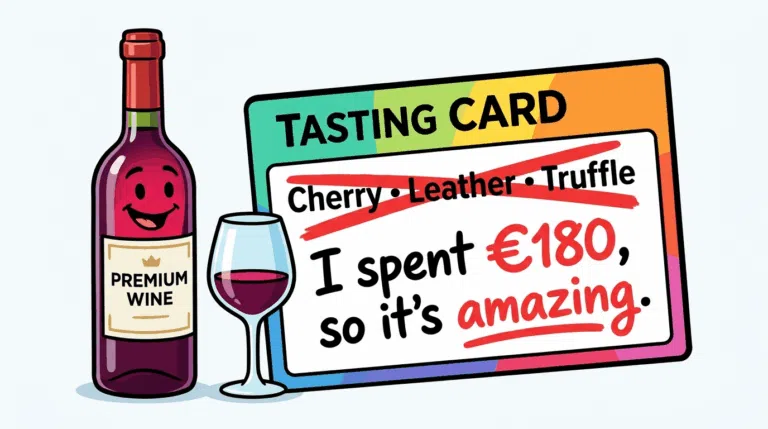
Why Does Wine Make Your Mouth Feel Dry?
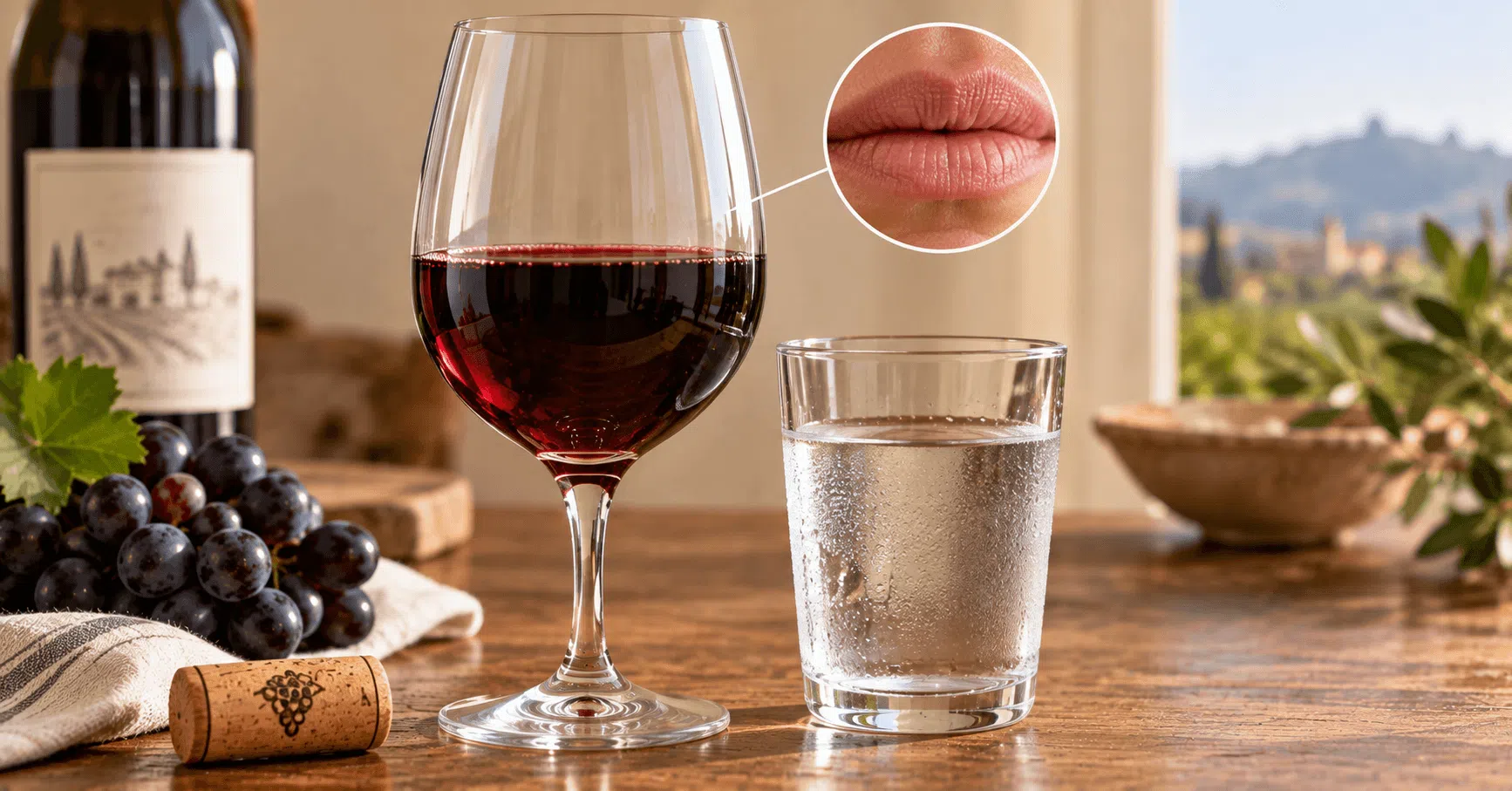
Some wines make me thirsty. Not all of them, which took me a while to notice.
I’ll finish a glass of one red and feel completely normal. Then on a different night, with a different wine, I’m reaching for water before I’ve even cleared half the glass. Real thirst, the kind where one glass of water isn’t enough and you go back for a second.
For a long time I filed this under “some wines are drier than others” and left it there. That explanation doesn’t hold up once you look at it properly, because a wine being dry and a wine making your mouth feel parched turn out to be two completely different things.
So What Does “Dry Wine” Really Mean?
Sugar. That’s the whole story.
Grapes contain natural sugar, and during fermentation, yeast converts most of it into alcohol. When very little sugar is left in the finished wine, we call it dry. So when someone tells you a wine is dry, they’re describing sweetness, or the near-total lack of it, not predicting how your mouth is going to feel an hour later.
Prosecco labelling makes this worse before it makes it better. Extra Dry Prosecco is sweeter than Brut, not drier, which I’ve written about separately because the naming genuinely makes no sense until you see the sugar numbers side by side.
Either way, the dry-mouth feeling I kept noticing couldn’t be about sugar. It had to be something else.
The Thing Tannins Do to Your Mouth
You’ve probably felt this even if you’ve never put a name to it. Take a sip of strong black tea that’s been steeping far too long. That rough, slightly puckering feeling afterward is close to what a tannic red wine can do.
Tannins are natural compounds found mostly in grape skins and seeds. Red wines pick up more of them because the juice sits in contact with the skins during winemaking. When those tannins meet the saliva in your mouth, they change how everything feels, tightening and roughening things in a way that mimics dryness even though your mouth isn’t dry at all.
Wine people call this astringency.
Next time you’re drinking a tannic red, try it. Take a sip, swallow, then run your tongue along the inside of your cheek. If it feels slightly rough or gripping, that’s astringency doing its job. Not dehydration, not dryness, just tannins meeting saliva.
Why Some Wines Do This and Others Don’t
Not every wine carries the same tannin load. Cabernet Sauvignon has plenty. So does Syrah. Nebbiolo, the grape behind Barolo, is famous for it, especially when young.
If you’ve ever had a young Barolo and felt your mouth tighten after a sip, that’s not your imagination. It’s part of the reason Barolo has to age at least 38 months, including time in barrel, before it’s legally allowed to be sold. That waiting period gives a fiercely tannic young Nebbiolo the time it needs to soften into something worth drinking.
It’s also why Barolo gets handed to you in that oversized glass everyone associates with it. More surface area means more contact with air, and that air helps soften the tannins before the wine even reaches your mouth.
White wines mostly skip this entirely, since they’re made without extended skin contact. Tannins mellow with age too, which is part of why an older red can feel noticeably softer than it did in its youth.
Where My Water Habit Comes In
This explains the mouth-tightening part. It doesn’t fully explain why some nights I end up drinking a full glass of water halfway through dinner.
Because astringency and real thirst are two different things, and they can happen at the same time.
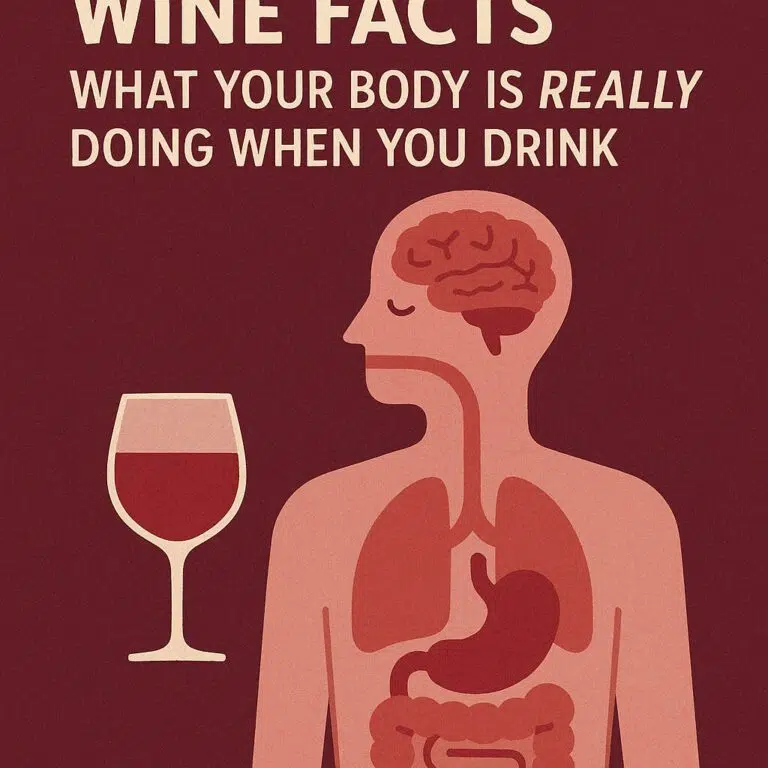
Wine contains alcohol, and alcohol makes you lose more fluid through urination than you otherwise would. Depending on how much you’ve had, whether you’ve eaten, and your own hydration levels going in, that can leave you genuinely thirsty, not just registering a rough sensation in your mouth.
So on the nights when I can’t stop reaching for water, both things are probably happening at once. The tannins are tightening my mouth, and the alcohol is quietly dehydrating me. No wonder I’d spent years lumping them together as one mysterious “wine dryness” problem.
This Changes How I Think About “I Don’t Like Dry Wines”
Here’s the useful part. Say you’re handed a red wine, take a sip, and get that strong puckering feeling. Your instinct is to decide you don’t like dry wines.
Except you might genuinely love dry wines.
A crisp Pinot Grigio with almost no residual sugar is also dry, and plenty of people who swear off dry reds are perfectly happy with one. What they usually dislike is noticeable astringency, not dryness itself.
Next time you’re picking a bottle, telling a wine shop “I prefer softer tannins” gets you a far better recommendation than “I don’t like dry wine” ever will.
Food Changes Everything
A tannic red on its own can feel sharp and drying. Then food arrives, particularly something with fat or protein, and the same wine suddenly feels rounder and easier to drink.
That’s not tradition for tradition’s sake. Fat and protein change how tannins interact with your mouth, softening the astringency in real time. It’s a big part of why a young Barolo makes far more sense next to a plate of braised short rib than it does on its own at the start of the evening.
The Honest Answer
Some wines really were making my mouth feel different, and some nights I really was getting thirsty on top of that. I’d just been calling both of those things the same thing.
Dry wine means low sugar. A wine that makes your mouth feel rough or tight is giving you astringency, mostly from tannins. And if you’re properly thirsty afterward, alcohol is probably playing a part in that too.
Three separate things, all getting blamed on one word.
I’ll still keep a glass of water next to the wine either way. At least now I know which part of the evening to blame on what.
Salute.
Kelly’s Wine Note
Tannins are naturally occurring compounds concentrated in grape skins and seeds, picked up in higher amounts by red wines through extended skin contact during fermentation. Tannins interact with proteins in saliva to produce astringency, a rough, mouth-tightening sensation often mistaken for dryness. “Dry” as a wine term refers only to residual sugar, describing wines with very little sugar left after fermentation. Barolo, made from the tannic Nebbiolo grape, must age a minimum of 38 months, including time in barrel, before Italian regulation allows it to be sold.
Quick Questions
Why does red wine make my mouth feel dry?
Tannins interact with proteins in your saliva, creating a rough, tightening sensation called astringency. It can feel like dryness even though it has nothing to do with dehydration.
Does dry wine cause dry mouth?
Not directly. “Dry” refers to how little sugar is left in the finished wine. A dry wine and a wine that leaves your mouth feeling tight are two different things, and a wine can be dry without being noticeably astringent at all.
Why do some red wines feel more tannic than others?
Grape variety, winemaking and age all play a role. Nebbiolo, the grape behind Barolo, and Cabernet Sauvignon are known for higher tannins, especially when young.
Why do I feel thirsty after drinking wine?
Alcohol increases fluid loss through urination, which can leave you genuinely thirsty on top of any astringency you’re feeling in your mouth. Drinking water alongside wine helps offset both.
Continue Exploring
- The Biggest Lie on a Prosecco Label (Extra Dry vs Brut)
- The Real Reason Barolo Gets the Biggest Glass in the House
Enjoy wine without the snobbery?
Make The Finest Italian Wine one of your Preferred Sources on Google.
Add The Finest Italian Wine to Preferred SourcesDiscover more from The Finest Italian Wine
Subscribe to get the latest posts sent to your email.