What Goes With Chianti? The Best Food and Pasta Pairings
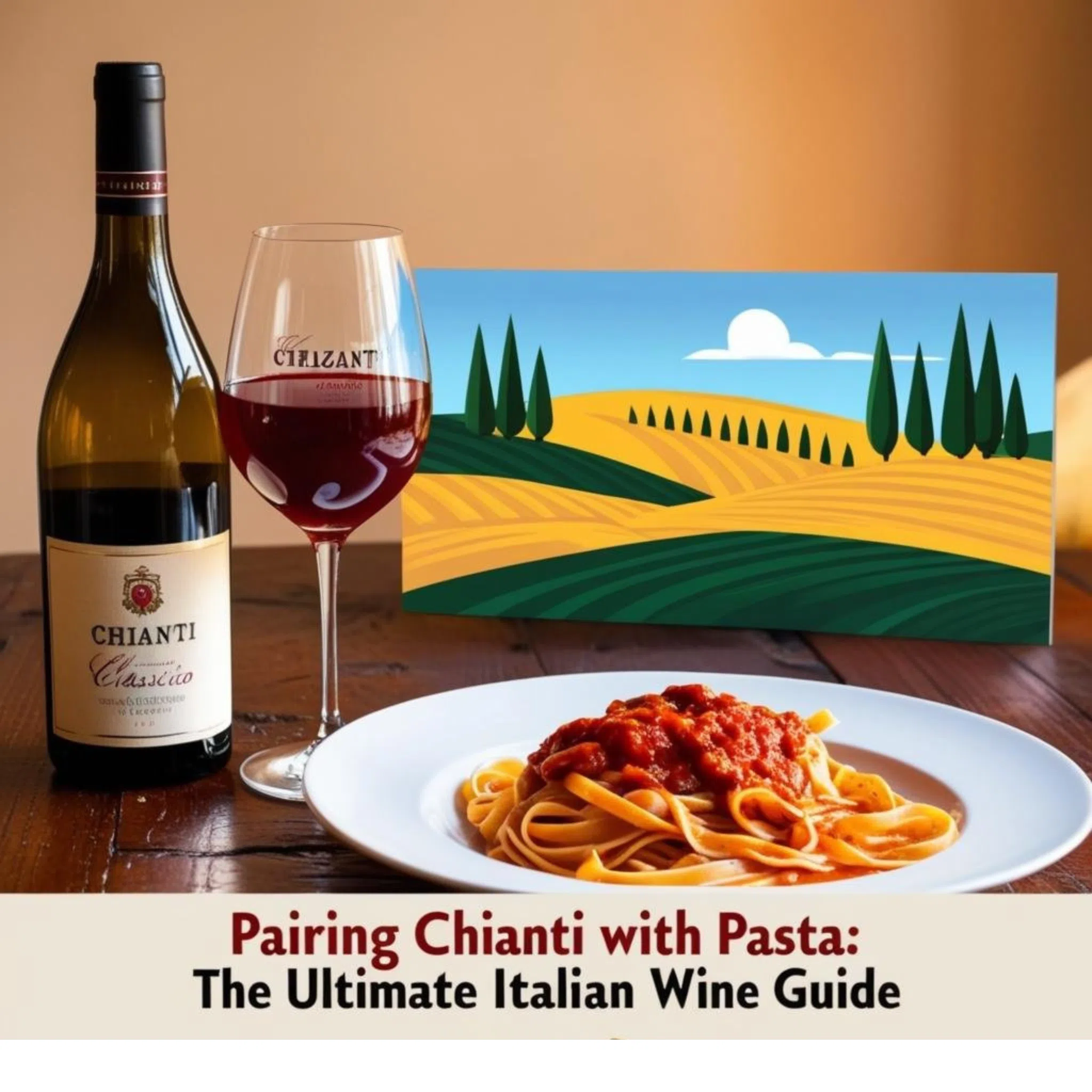
You have a bottle of Chianti. Dinner is happening. Now comes the question that sends perfectly capable adults straight to Google.
What exactly am I supposed to eat with this?
The easy answer is pasta. The better answer is quite a lot more than that. Chianti is one of those wonderfully cooperative Italian wines that seems happiest the moment food shows up. Tomato pasta, ragù, pizza, grilled meat, lasagna, pecorino, it genuinely has options. In Italian, this whole question already has a name: abbinamenti, the art of matching wine to food, and Italians take it seriously enough that nobody here finds it strange to think this hard about a dinner pairing.
There’s a real reason for that. Chianti is made primarily from Sangiovese, a grape known for its bright acidity, red-fruit character, and savory edge. That acidity happens to be exactly what an Italian dinner table needs. It can stand up to tomato, cheese, olive oil, and rich meat sauces without disappearing underneath them. So forget the complicated pairing charts for a second. Here’s the version that helps at the table.
What Food Goes Best With Chianti?
If dinner is already on the table and you don’t have time for a wine lecture, start here.
| What you’re eating | What I’d pour |
|---|---|
| Tomato pasta | Young Chianti |
| Pizza | Chianti |
| Lasagna | Chianti Classico |
| Beef or meat ragù | Chianti Classico |
| Roast or grilled meat | Chianti Classico |
| Wild boar or rich game | Chianti Gran Selezione |
| Aged pecorino | Chianti Riserva |
The general rule is simple: the richer the food, the more structure you’re allowed to ask from the wine. You don’t need an expensive Riserva for a Tuesday night spaghetti al pomodoro. Save it for the dinner that’s been cooking since lunchtime.
Does Chianti Go With Pasta?
Absolutely, but here’s the part people get backwards. Chianti pairs with the sauce, not the shape of the pasta. Spaghetti, penne, and rigatoni aren’t keeping score. What’s covering them matters far more.
Tomato pasta is probably the easiest Chianti pairing there is. Tomatoes are naturally acidic, and Sangiovese has enough acidity of its own to meet them head-on rather than tasting flat beside them. A young Chianti with spaghetti al pomodoro, fresh basil, and olive oil is simple and genuinely hard to mess up. Sometimes dinner doesn’t need improving.
Ragù and lasagna call for something with more backbone. Once meat, cheese, and richer sauces enter the picture, I move toward Chianti Classico. A meat ragù needs more structure than a simple tomato sauce, and lasagna brings tomato, meat, cheese, and béchamel all to the same table, expecting the wine to handle everybody at once. Chianti Classico usually manages it. For a particularly rich lasagna or a slow-cooked ragù, a Riserva can work beautifully.
Wild boar pasta is where Tuscany has already done the homework for you. Pappardelle al cinghiale and a structured Chianti are one of those pairings that just makes sense on paper and in the glass. The earthy richness of wild boar can genuinely handle a serious Chianti Gran Selezione, or a Vino Nobile di Montepulciano if you want to wander slightly outside Chianti itself. This is where bringing out the bigger bottle makes sense.
What Else Pairs Well With Chianti?
Pasta gets most of the attention, but Chianti doesn’t stop there.
Pizza is an excellent match, especially with tomato, mushrooms, sausage, or cured meats. The tomato loves the acidity, while the savory toppings give Sangiovese something to play with. I’ve gone into that pairing properly in my guide to wine for pizza night if you want the full picture.
Grilled and roasted meats work well too, think roast chicken, pork, sausages, and beef. As the meat gets richer, move from a straightforward Chianti toward Chianti Classico or Riserva.
Then there’s cheese. Aged Pecorino Toscano is an obvious choice for good reason, its salty, nutty intensity stands up beautifully to Chianti. Parmigiano Reggiano and other firm aged cheeses work well too. If you’re building a full board rather than just a wedge, my wine pairing guide for cheese boards covers that in more depth. This doesn’t mean every cheese wants Chianti, though. Wine and cheese have excellent public relations, but not every relationship in that department works.
Chianti or Chianti Classico: Which One With Food?
This is where supermarket shelves make something fairly simple look unnecessarily complicated. Chianti and Chianti Classico aren’t just the cheap and expensive versions of the same wine. Chianti Classico comes from the historic heart of the Chianti region and follows its own production rules. I’ve gone into that distinction properly in the complete guide to Chianti if you want the full story rather than just the pairing angle.
For pairing purposes, though, I use a much less exhausting system. Simple food gets a younger Chianti. Richer food gets Chianti Classico. A big, slow-cooked dinner is where you start thinking seriously about Riserva. Tomato pasta doesn’t need your most serious bottle. Meat ragù, steak, or wild boar can justify something with real structure behind it.
If the words Classico, Riserva, and Superiore on an Italian label have ever made you stare at the bottle like it owes you an explanation, that’s understandable. I’ve gone deep into what those words are doing there.
What Doesn’t Pair Well With Chianti?
Chianti is flexible, not magical. Very delicate fish and subtle seafood dishes generally aren’t where I’d reach for it first. The tannins and savory red-wine character can overpower them completely. If seafood is what you’re cooking, my guide to Italian white wines for seafood is a better starting point.
Very spicy food can also be tricky, particularly with a powerful, higher-alcohol Riserva. Chili tends to make alcohol feel hotter, which is rarely the contribution dinner was hoping for. Could you still drink Chianti with either? Of course. Nobody’s coming to confiscate your glass. But if the whole point of pairing is making both the wine and the dinner taste better, there are easier choices available.
What Should I Bring to a Pasta Dinner?
This might be the single most practical Chianti question there is. A friend invites you over for pasta. You don’t know whether they’re making a slow-cooked ragù or opening a jar of tomato sauce five minutes before you arrive. You just don’t want to show up empty-handed.
Bring Chianti. A good everyday Chianti or Chianti Classico is one of the more foolproof, affordable red wines for exactly this situation, because it can handle tomato, meat, cheese, and a fair number of last-minute changes to the menu without tasting thin, harsh, or anywhere close to vinegar. You don’t need the most expensive bottle on the shelf. You need the bottle everyone will genuinely enjoy with dinner.
The Kelly Test
I don’t think anyone should need to memorize a pairing chart before they’re allowed to eat. With Chianti, just look at the sauce and the weight of the dish.
Tomato pasta or pizza? Chianti. Lasagna, meat ragù, or grilled meat? Chianti Classico. Wild boar, game, or the kind of dinner someone started before lunch? Now we can talk about Riserva.
That’s really the whole system. The perfect Chianti pairing was never about following rules, it’s about finding real food with Chianti that doesn’t fight the wine sitting next to it. Fortunately, Chianti is very good at getting along with food, and if you want more of that same food pairing logic applied elsewhere on your table, my broader guide to Italian wine and food pairings covers the rest of the menu.
Quick Questions
What food pairs best with Chianti? Tomato-based pasta, pizza, meat ragù, grilled and roasted meats, wild boar, and aged cheeses like pecorino are all excellent Chianti pairings.
Does Chianti go with pasta? Yes. It works especially well with tomato-based pasta, ragù, and lasagna. Match the wine to the sauce rather than the shape of the pasta.
What does Chianti Classico pair with? Richer foods specifically, meat ragù, lasagna, roast meats, steak, sausages, and aged cheeses all suit its extra structure well.
Does Chianti go with pizza? Yes. Its acidity works beautifully with tomato sauce, and its savory character complements toppings like sausage, mushrooms, and cured meats.
Salute.
Enjoy wine without the snobbery?
Make The Finest Italian Wine one of your Preferred Sources on Google.
Add The Finest Italian Wine to Preferred SourcesDiscover more from The Finest Italian Wine
Subscribe to get the latest posts sent to your email.