That Wine Bottle Says It’s Sustainable. But Can the Winery Prove It?
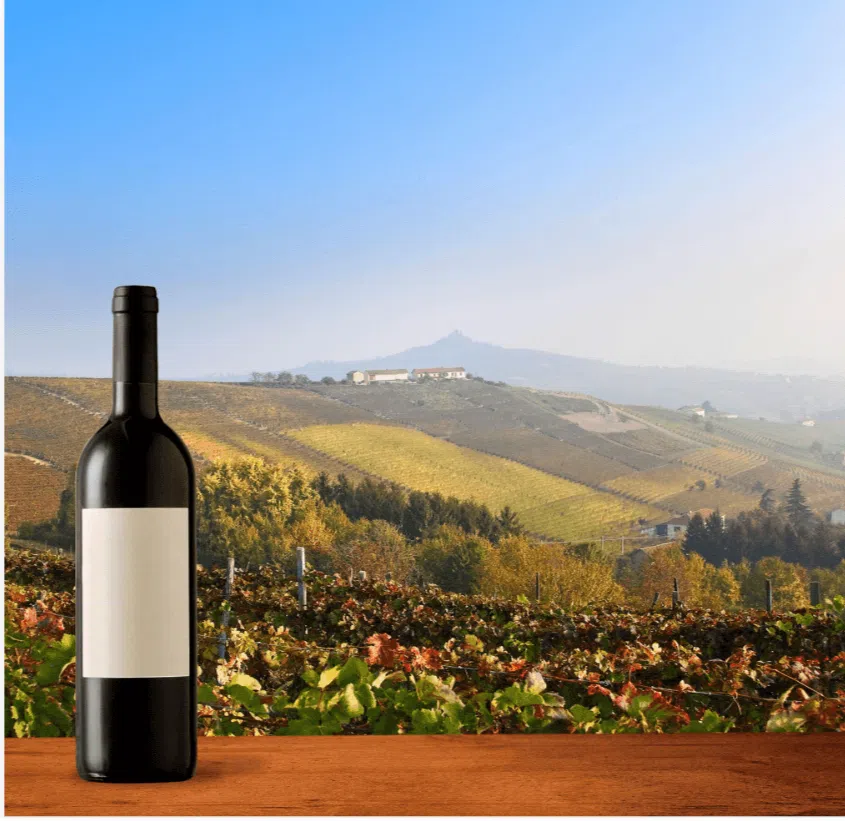
Put a gorgeous vineyard on a label, sprinkle in a few green leaves, add a line about nature, and the bottle suddenly looks like Mother Nature personally signed off on it. You haven’t tasted the wine, you haven’t met the winemaker, and yet you already feel environmentally responsible. That’s clever packaging, and it’s exactly what the new rules on greenwashing in wine target.
Here’s the “oh really” part. In summer 2025, Italy’s competition authority nudged a mineral water brand until it dropped the words “zero CO2 impact” from its bottles. That was water, not wine, but since 27 September 2026 Italy has applied stricter rules on misleading environmental claims, and wine labels sit in the same firing line. So here’s what the rules say, what they don’t, and what I’d look for before believing any “sustainable” label.
Quick Facts
- The rules come from EU Directive 2024/825, which Italy turned into law with Legislative Decree No. 30 of 20 February 2026. They have applied since 27 September 2026
- Generic claims like “green” or “environmentally friendly” need proof of recognised excellent environmental performance, unless the claim is clearly spelled out on the same label or page
- Sustainability labels need a certification scheme behind them, or a public authority
- Green colours and nature words don’t trigger a ban on their own. Context decides, case by case
- Wine made and packaged before 27 September can still sell, if the producer can prove the date and corrects misleading information
Greenwashing in Wine: What the New Rules Actually Ban
The rules cover every kind of product, not just wine, and they reach across the EU. Italy’s version sits inside its consumer code. Here’s what matters for the bottle in your hand:
| What the rule targets | What it means in plain words | What it could look like on a bottle |
|---|---|---|
| Generic environmental claims | A vague green promise needs proof of recognised excellent environmental performance | “Eco-friendly wine” with no explanation |
| Sustainability labels | A label needs a certification scheme behind it, or a public authority | A home-made “Sustainable Choice” badge |
| Offsetting claims | You can’t call a product neutral, reduced or positive in impact based only on emissions offsets | “Climate neutral wine” because of carbon credits |
The enforcement muscle is the consumer authority, the AGCM. For widespread infringements across the EU, fines can reach €10 million or 4% of annual turnover.
There’s a useful loophole in the right direction, too. A claim stops being generic when the producer spells out exactly what it means, clearly and visibly, on the same label or page. “Eco” on its own is a problem. “Bottled in glass that’s 15% lighter than our old bottle, which we can document” is a statement with something to check.
The Mineral Water That Lost Its “Zero CO2 Impact”
If you want to see what gets caught, look at San Benedetto. Its Ecogreen mineral water carried the claim “zero CO2 impact”, and the labels, website and videos suggested that producing the bottles caused no greenhouse gas emissions. In mid-July 2025, the company removed the claim from its labels, packaging, TV ads and website. Italy’s competition authority had sent a non-binding “moral suasion” request about possibly misleading environmental claims. There was no fine, and this happened before the new rules applied. Today a QR code on the bottle leads to a page with more detail, including credits bought to fund environmental projects.
That’s water, not wine, and I haven’t found a winery named in a case like this yet. But it shows the pattern: a short, shiny claim that sounds complete, and a longer, messier story behind it. If a producer ever says “carbon neutral” because of offsets, expect the same questions.
A Green Label Isn’t Banned. An Unproven Green Promise Is.
Before anyone panics about their favourite vineyard illustration: the Italian Ministry of Enterprises and Made in Italy (MIMIT) says words or colours like “green” shouldn’t automatically count as an environmental claim. It depends on whether the whole presentation suggests an environmental benefit to the average shopper. The Ministry also says it assesses visual elements as part of the overall context, case by case.
So the question is never “does this label look green?” It’s “does this label promise something the winery can’t back up?” A winery in the hills can show its hills. I’d be disappointed if it replaced them with a photograph of the office printer.
Picture two bottles on a shop shelf. One has leaves, a lovely illustration and the words Inspired by Nature. The other has a plain label and a recognised organic certification. Your eye goes to the first. But the first gives you a feeling, and the second gives you something you can check. The first winery might do wonderful work too. You just can’t tell from the artwork.
Organic, Sustainable, Natural: Three Words, Three Very Different Jobs
These three sound like cousins, and shoppers treat them as synonyms. They aren’t:
| Word on the label | Regulated? | What it tells you |
|---|---|---|
| Organic | Yes, EU rules with controls and a certification system | The grapes and the winemaking follow set organic rules |
| Sustainable | Only as strong as the proof behind it | Could mean anything from water savings to lighter glass, so look for specifics or a certification |
| Natural | No legal definition like organic has | It depends entirely on what that producer means by it |
A winery with solar panels doesn’t become organic by default, and a certified organic vineyard isn’t automatically carbon neutral. Each word answers a different question. And “natural” is the sneaky one: the Italian food site Dissapore points out that by law, all wine is natural, since it comes only from grapes. Which means the word, on its own, proves nothing. I looked at how appealing wine words can drift away from legal ones in Cameron Diaz’s Wine Brand Started a Fight With the Federal Government, where “clean” turned out to mean whatever the marketing department wanted. Same trap, different word.
What a Believable Sustainability Claim Looks Like
Compare these two sentences. Our winery is committed to a greener future. And: Our winery cut electricity use by 20% between 2023 and 2025. The first sounds lovely and tells you nothing. The second gives you a number, a timeframe and something to question. I can ask how it was measured and whether anyone checked.
There’s also the lightweight bottle trap. A producer switches to thinner glass, which genuinely can cut transport emissions, then calls the whole wine environmentally friendly. But the vineyard, the water, the energy, the winemaking and the delivery truck haven’t gone anywhere. One improvement deserves credit. It doesn’t make the entire bottle green.
Italy does have a serious programme for this: VIVA, a public standard run by the Ministry of the Environment and Energy Security with the sustainable agriculture centre OPERA at the Università Cattolica. It has existed since 2011 and measures four things: air (climate impact), water, vineyard and territory. An independent third party checks the results, and the label carries a QR code so you can see the producer’s actual numbers. That’s what a claim with receipts looks like. Any programme name still leaves questions: what did it assess, and how was it verified?
What Happens to Bottles That Already Have Green Claims?
Nobody has to bin thousands of printed bottles. According to MIMIT’s FAQ, a winery can keep selling products it made or packaged before 27 September, as long as it can prove the date and makes reasonable efforts to correct misleading information. Stickers and shelf notices are the examples it gives.
Wineries can use up older label and packaging stocks too. The Ministry points to an indicative six months, but calls it guidance and judges each business case by case. Making wineries destroy perfectly good packaging in the name of the environment would be a strange place to start.
Five Things I’d Check Before Believing a “Sustainable” Wine
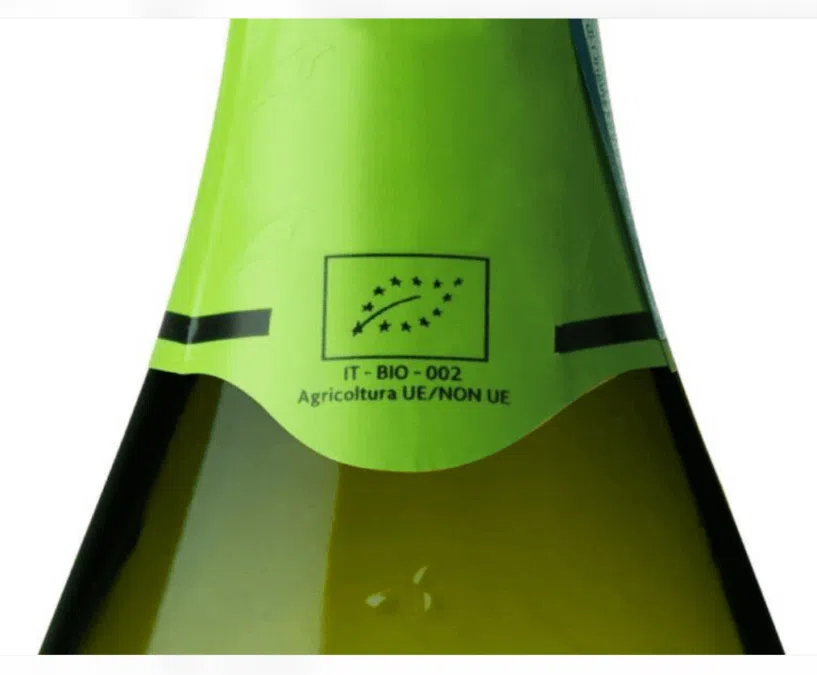
You don’t need to investigate every bottle like you’re preparing evidence for court. Try these five questions:
- What exactly is the claim? A specific improvement, or just the word “green”?
- Is there a recognised certification? Check who issued the logo and what it covers. Not every leaf-shaped symbol is official.
- What does it cover? The vineyard, the winemaking, the bottle or the whole business? These are different things.
- Can the winery show results? Numbers, practices and independent checks beat a promise to love nature.
- Am I mixing up organic and sustainable? Organic certification is valuable, but it doesn’t answer every environmental question.
None of this means being suspicious of every producer who mentions sustainability. The wineries doing the work deserve recognition, and that’s easier when the empty claims lose their shine.
Will These Rules Actually Make Wine Greener?
Not on their own. A marketing law can’t make a vineyard use less water overnight or turn a winery’s electricity renewable because somebody changed the wording on a label. What it can do is make it harder to sell an environmental image without the substance behind it. That matters, because a winery that spends money improving its practices shouldn’t compete on equal terms with one that spends the same money on a greener-looking label.
Wine already asks us to trust a lot of what’s printed on the bottle: the region, the grape, the vintage, the producer. Environmental claims deserve the same scrutiny. If you’d like a refresher on reading the rest of the label, I wrote How to Choose Italian Wine in a Supermarket.
Frequently Asked Questions
Can wineries still use the word “sustainable” in Italy? Yes, if their claims comply with the rules. The law targets misleading environmental marketing, including unsupported generic claims and sustainability labels without a qualifying certification.
Is organic wine the same as sustainable wine? No. Organic wine follows specific EU production and certification rules. Sustainability can cover a much wider range of practices.
Does a green wine label mean the wine is eco-friendly? Not necessarily. Green colours and nature illustrations prove nothing about environmental performance or certification, though the law doesn’t ban them outright either.
What is greenwashing in wine? Greenwashing happens when environmental marketing gives a misleading impression of a wine, winery or its practices.
When did Italy’s greenwashing rules take effect? They have applied since 27 September 2026.
Can wineries still sell bottles with older labels? In certain circumstances, yes. MIMIT’s guidance lets wineries sell products they made or packaged before that date if they can prove it and correct misleading information.
One Last Thing
Caring about the environment is a wonderful thing, and a winery that asks you to notice its credentials has every right to. But it’s perfectly reasonable to ask to see them. Turn the bottle around, look for details, find out what the producer means. If that leads you to a genuinely responsible Italian producer making excellent wine, even better.
So tell me: have you ever picked a bottle because it said organic, natural or sustainable? Did you know exactly what the label meant, or did you trust the packaging? I’d love to hear what you look for.
— Kelly 🍷
#GreenwashingInWine #ItalianWine #SustainableWine #WineLabels
Continue Reading
- Cameron Diaz’s Wine Brand Started a Fight With the Federal Government
- How to Choose Italian Wine in a Supermarket
Sources
- Italian Ministry of Enterprises and Made in Italy: official FAQs on empowering consumers for the green transition (in Italian)
- Il Fatto Alimentare: Stop greenwashing, Italy transposes EU Directive 2024/825 (in Italian)
- Namirial: Consumer code and greenwashing, what changes from 27 September 2026 (in Italian)
- Bird & Bird: New EU directive on environmental advertising
- Dissapore: L’UE dice stop al greenwashing nel vino (in Italian)
- Dissapore: San Benedetto rimuove un claim dalle sue bottiglie (in Italian)
- AGCM press release on the San Benedetto Ecogreen claims
- TeamSystem: Wine labels and sustainability, the VIVA certification (in Italian)
Enjoy wine without the snobbery?
Make The Finest Italian Wine one of your Preferred Sources on Google.
Add The Finest Italian Wine to Preferred SourcesDiscover more from The Finest Italian Wine
Subscribe to get the latest posts sent to your email.