7 Wine Facts That Will Genuinely Surprise You

Wine facts are dangerous.
You learn one random thing about wine and suddenly you’re correcting people at dinner like you secretly own a vineyard in Tuscany.
Still, some wine facts genuinely deserve the drama. Not the fake “wine cures everything” internet myths. Real facts. Strange facts. The kind that make you pause halfway through a sip and go,
“Wait… seriously?”
And honestly, that’s part of why wine is so fascinating. Beneath the beautiful labels and romantic vineyard photos, wine is full of weird history, science, and tiny details most people never notice.
So before your next glass, here are seven wine facts that might completely change how you think about wine forever.
1. White Wine Can Be Made From Red Grapes
This is one of those wine facts that confuses almost everybody the first time they hear it.
Most people assume red grapes automatically make red wine. However, the color mostly comes from the grape skins — not the juice itself.
In fact, the inside of many red grapes is almost completely clear.
That means winemakers can press red grapes gently and remove the skins early to create white wine. Champagne producers do this constantly with Pinot Noir.
So yes, somewhere in France, a red grape is currently living a double life as white wine.
Honestly? Respect the hustle.
2. The Fear of Wine Actually Has a Scientific Name
One of the strangest wine facts is that fear of wine is a real thing.
It’s called oenophobia.
Meanwhile, the opposite is oenophilia — which means a deep love of wine.
If you’ve ever said:
“I’m only having one glass tonight,”
and then somehow started discussing Italian vineyards 45 minutes later…
you probably fall into the second category.
The words come from the Greek term oinos, meaning wine. Which sounds dramatically more elegant than simply admitting you enjoy a good Cabernet on a Tuesday night.
3. One Bottle of Wine Contains Hundreds of Grapes
A single bottle of wine usually requires around 600 to 800 grapes.
That suddenly makes spilling wine feel emotionally painful.
Even more interesting, it takes roughly one full cluster of grapes just to make a single glass. So next time somebody complains about the price of a quality bottle, remind them they’re basically drinking an entire vineyard’s overtime shift.
Wine starts feeling a lot less “expensive” when you realize how much work goes into every sip.
4. Humans Made Wine Before They Invented the Wheel
Yes. Really.
Archaeologists discovered a 6,000-year-old winery inside a cave in Armenia, complete with fermentation vats, grape seeds, dried vines, and drinking cups.
Meanwhile, historians believe the wheel appeared later.
So humanity basically looked at grapes and thought:
“Transportation can wait. Let’s ferment this first.”
Honestly, that feels extremely human.
And somehow very relatable.
5. Wine Legs Do NOT Mean Better Wine
You know those dramatic streaks sliding down the inside of a wine glass after swirling?
People love pretending they reveal quality.
They don’t.
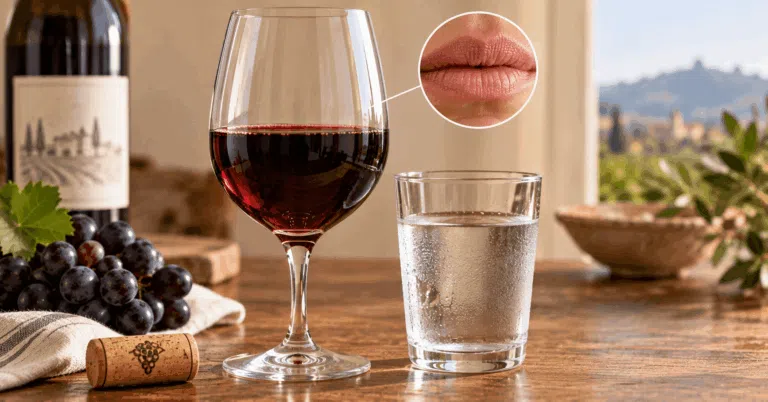
Those “wine legs” mostly indicate alcohol content and evaporation physics. Scientists call it the Marangoni effect, which sounds significantly less romantic than what wine people usually imply.
So next time somebody swirls aggressively and whispers:
“Look at those legs…”
just remember the wine is not automatically expensive.
It’s simply obeying science.
6. Most Wine Is Supposed to Be Drunk Young
Movies convinced everybody that wine should age for 30 years in a dusty underground cellar beside family secrets and inherited property.
Reality is much less dramatic.
In truth, most wines are made to be enjoyed within one to three years after release.
Only a tiny percentage of wines truly improve with long aging. The rest slowly lose freshness over time.
So if you’ve been “saving” a random supermarket bottle since 2021 for a special occasion…
this is your sign.
Open it.
The special occasion is surviving adulthood.
7. Older Grapevines Usually Produce Better Wine
This is one of the most respected wine facts among serious winemakers.
As grapevines age, they naturally produce fewer grapes. However, the fruit becomes more concentrated and complex.
At the same time, older vines grow deeper roots, pulling minerals and nutrients from far below the soil surface. As a result, the wine often develops more depth, balance, and character.
That’s why vineyards proudly label certain wines vieilles vignes — French for “old vines.”
Some vineyards in Spain and Australia still use vines that are more than 100 years old.
Older vines. Smaller harvests. Bigger personality.
Honestly, there’s probably a life lesson hiding in there somewhere.
Final Sip
Wine becomes much more interesting once you realize how strange it actually is.
Red grapes can make white wine.
Humans made wine before the wheel existed.
And expensive-looking wine legs mean almost nothing.
Meanwhile, somewhere in Italy, somebody is still arguing passionately over which grandmother makes the best house wine.
As they should.
Which of these wine facts surprised you the most?
And more importantly… which one are you about to repeat dramatically at your next dinner table?
Discover more from The Finest Italian Wine
Subscribe to get the latest posts sent to your email.