What Is Schiava? The Light Italian Red That Fell Out of Fashion

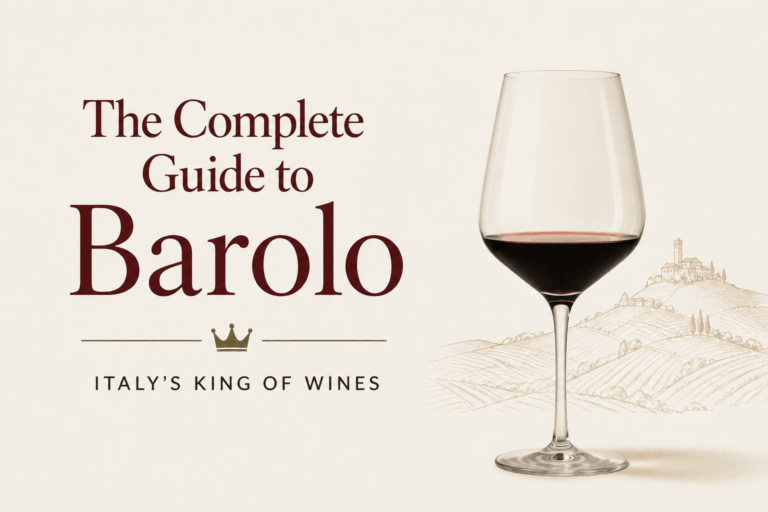
Some red wines arrive at the table like a thunderstorm. Schiava arrives like a spring breeze. Schiava wine is pale, light and gentle, and if you pour it next to a Barolo, the Barolo will look like it’s wearing a winter coat in July.
It also has one of Italy’s most interesting underdog stories. This soft little red was once the most planted grape in its home region, and then fashion moved on. Here’s how to say it, what it tastes like, how to read the label and why it deserves a second look.
Quick Facts
- Say it like this: SKYAH-vah, according to Wine With Seth
- What it is: a light, pale red grape from Alto Adige in northern Italy, also called Vernatsch
- The style: light-bodied, bright, low in tannin, and usually dry
- Names on labels: Santa Maddalena, Lago di Caldaro (Kalterersee), Meranese and Alto Adige Schiava
- The twist: it was once Alto Adige’s most planted variety, and it has been losing ground since the 1970s
- Serving: slightly chilled
What Does Schiava Taste Like?
Think red berries and flowers, not heavy oak. Typical notes are strawberry, raspberry, cherry and violet, sometimes with a touch of almond, and Wine Folly says you may even catch bubblegum. It’s light-bodied, with fresh acidity and gentle tannins, and usually 11% to 13% alcohol.
You may hear it nicknamed “cotton candy” wine. That’s about the aroma, not the sugar. Most Schiava is dry, and it has more in common with Pinot Noir than with candy. If you like Pinot Noir or Gamay, this is a grape you may enjoy.
Not sure why some reds feel grippy and others don’t? I explain it in why wine makes your mouth feel dry. Schiava is the opposite of grippy.
Why Is It Called Schiava?
Here’s the curious bit. Schiava is the Italian word for “slave.” The explanation growers give, according to WineAlign, is that the vine has always been grown up another plant or support. Today it’s usually trained on pergolas, which means the vine is tied to its frame. Wine With Seth calls this the likely origin, not a confirmed one.
The German name has a gentler story. Vernatsch (say it fair-NAHTCH) comes from the Latin “vernaculus,” meaning native. In Germany’s Württemberg region, the same grape family is called Trollinger.
The Grape That Fell Out of Fashion
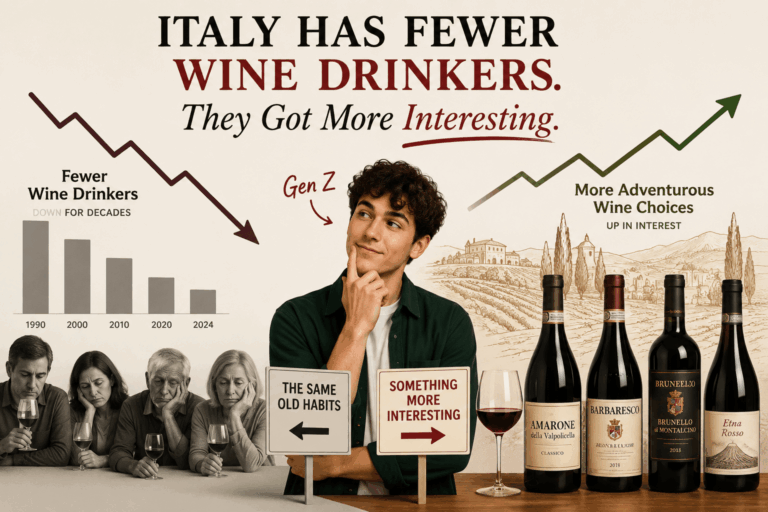
Schiava is believed to come from South Tyrol and Trentino, and it has been grown in Alto Adige since at least the 16th century. Then, in the 1970s, it fell out of favour as international grapes took over, according to Wine With Seth. The Drinks Business says it was once the region’s most planted variety, and that Alto Adige has since shifted from mostly red to roughly two-thirds white. I wrote about that wider shift in Italy falling out of love with red wine.
There’s a money reason too. Vernatsch grapes sell for about €3 a kilo, while Pinot Noir, Chardonnay and Sauvignon Blanc fetch two to three times that. The vines are mostly pergola-trained, which protects the grapes from sunburn but means hand harvesting. A farmer can’t be blamed for replanting.
How much is left? The sources don’t agree. Wine With Seth gives about 1,300 hectares in South Tyrol, while The Drinks Business reported a little over 450 hectares after about 100 were uprooted in a single year. The figures may count different things, and neither is dated precisely. Wine Folly still calls it the most planted red grape in Alto Adige, so it’s far from gone. Wine With Seth describes a renaissance driven by quality-focused producers.
How to Read a Schiava Label
You’ll rarely see “Schiava” in big letters. More often you’ll see a place name:
- Santa Maddalena (St. Magdalener): the fuller-bodied style, with clean red fruit and spice
- Lago di Caldaro (Kalterersee): soft and supple
- Meranese (Meraner): spicier, with white pepper notes, and darker with higher acidity
- Alto Adige Schiava (Südtiroler Vernatsch): the catch-all label
Wines from these subregions need at least 85% Schiava, and Lagrein is often the blending partner. WineAlign says Santa Maddalena is usually closer to 95% Schiava, with Lagrein added for colour and body. “Classico” on the label, for places like Santa Maddalena and Lago di Caldaro, indicates a single-village example. “Alte Reben” means old vines and can point to higher quality.
Santa Maddalena Classico is tiny. WineAlign puts it at about 160 hectares, around 3% of South Tyrol’s vineyard area, with most vineyards belonging to about two dozen small family growers. Many vines are old pergola vines, some approaching 100 years.
How to Serve It and What to Eat
Serve Schiava slightly chilled. The Drinks Business says it becomes almost rosé-like, and it’s a versatile food wine. It works with fish, meat and even pizza. Wine Folly adds beetroot salad with goat cheese, game birds such as pheasant, and mackerel.
MasterClass adds that a rich winter meal can take it a little warmer, closer to room temperature.
If you want to see where Schiava fits in the bigger Alto Adige story, my Alto Adige whites post has a fun connection. Kerner, one of the region’s white stars, is a crossing of Riesling and Schiava.
Bottles to Look For
Wine With Seth lists these examples, with approximate US prices. Prices vary by shop and country, and I haven’t checked what’s available today:
- Cantina Girlan Vernatsch: about $14 to $18
- Kellerei Kurtatsch Söll Schiava: about $16 to $20
- Rottensteiner Santa Maddalena Classico: about $22 to $28
- Alois Lageder Schiava: about $24 to $32
- Elena Walch Vigna Castel Ringberg Schiava: about $28 to $35
The Drinks Business also names Fliederhof, Kandlerhof, Weingut Sonnleighten, Griesbauerhof and Cantina di Bolzano, the key cooperative in Santa Maddalena. If you’re in Italy, ask for a Santa Maddalena at your local enoteca.
Frequently Asked Questions
What is Schiava wine?
A light, pale red wine made from the Schiava grape, mainly in Alto Adige in northern Italy. It’s low in tannin, bright and usually dry.
How do you pronounce Schiava?
SKYAH-vah. The German name, Vernatsch, is said fair-NAHTCH.
Is Schiava the same as Vernatsch?
Yes. Vernatsch is the German name, and you’ll see both on labels in Alto Adige.
Is Schiava sweet?
Usually not. The “cotton candy” nickname is about aroma, and most Schiava is dry.
Should you chill Schiava?
Slightly, yes. A short time in the fridge brings out the freshness, especially in summer.
What is Santa Maddalena?
A Schiava-based appellation near Bolzano, known for the fuller-bodied style. It’s usually Schiava with a little Lagrein.
One Last Thing
I think Schiava is the kind of wine you recommend to a friend who says they don’t like red. It’s easy and low in tannin, and it won’t make you choose a side. It may not suit every farmer’s spreadsheet, but it suits a lot of dinner tables.
So tell me: have you tried a Schiava or a Santa Maddalena? And if you have, did you chill it?
— Kelly 🍷
#Schiava #Vernatsch #AltoAdige #ItalianWine #RedWine
Continue Reading
- Why Are Alto Adige White Wines So Good?
- Is Italy Falling Out of Love With Red Wine?
- Why Does Wine Make Your Mouth Feel Dry?
Sources
- Wine With Seth: Schiava (Vernatsch)
- WineAlign: Saving Santa Maddalena, saving the Schiava
- The Drinks Business: Vernatsch, Alto Adige’s contemporary red
- Wine Folly: Schiava in Alto Adige
- MasterClass: Schiava wine guide
Information checked in November 2026. Planting figures and prices come from articles of different dates, and they vary by source, shop and country, so check before you buy.
Enjoy wine without the snobbery?
Make The Finest Italian Wine one of your Preferred Sources on Google.
Add The Finest Italian Wine to Preferred Sources