Fior d’Arancio DOCG: The Moscato Wine of the Colli Euganei
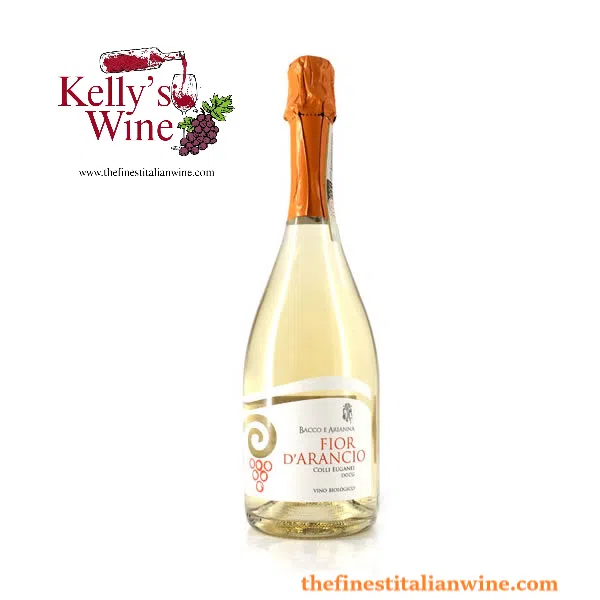
Fior d’Arancio means “orange blossom”, which is a lot to live up to for a wine that contains no oranges at all. It’s made from grapes, and the name is all about how it smells.
It’s also the wine that started all of this. On one of my very first days in Italy, someone handed me a bottle of Fior d’Arancio, and one sip was enough. The orange blossom, the honey, the sunshine in the glass: I was gone. That curiosity is a big part of why this blog exists (the full story is on my About page).
So I’m not exactly neutral here. First loves are like that. But I’ve checked every fact in this guide, so you get the romance and the details.
Quick Facts
- Fior d’Arancio is a DOCG wine from the Colli Euganei, the volcanic hills south of Padova in Veneto
- It’s made from at least 95% Moscato Giallo (yellow Muscat)
- It comes in three types: still (dry to sweet), sparkling (spumante) and passito
- It became a DOCG by a ministerial decree of 22 December 2010
- About 153 hectares were planted in 2021, which makes it a small, specialist wine
What Is Fior d’Arancio?
Fior d’Arancio is a white wine from the hills around Arquà Petrarca, south of Padova. On a label you’ll see it written as Colli Euganei Fior d’Arancio or Fior d’Arancio Colli Euganei. It was carved out of the wider Colli Euganei DOC, which dates from 1969.
The wine consortium describes it as intensely floral, with Mediterranean aromas. If you’ve only met Moscato as a sweet, simple fizz, this one is a pleasant surprise, because the same grape makes a dry wine, a sparkling wine and a dessert wine.
For the bigger picture of the area, read my Colli Euganei wine guide.
Where Did the Name Come From?
I love this story. According to a technical paper on the wine, the name dates from the years between the two world wars. A local count, Pizzoni Ardemani, had vines brought in by a nurseryman, and the yellow Muscat was picked because its scent reminded him of the blossom in his own citrus grove.
I can’t confirm the story from a second source, so call it a lovely bit of local history. The citrus link is easy to believe, though: the wine really does smell of orange blossom and citrus when it’s done well.
The Grape: Moscato Giallo
Moscato Giallo is a yellow-skinned member of the Muscat family, sometimes called Moscato di Arquà or Moscato Fior d’Arancio. The same paper says the “giallo” (yellow) name goes back to about 1910, because the grapes keep their yellow colour even when very ripe.
Where it came from originally isn’t certain. The paper suggests Asia Minor or the Caucasus, and says Venetian merchants probably brought it to Italy in the 13th century. It was grown in small plots inside Benedictine abbey walls and in the gardens of Venetian villas.
Wine itself is far older in these hills. Clay wine vessels show vines were being used here as far back as the 7th and 6th centuries BC, and an agricultural record from 1879 mentions Moscato in the Colli Euganei.
By law, Fior d’Arancio must contain at least 95% Moscato Giallo. Up to 5% can come from other aromatic grapes suited to the Padova area.
Where It Grows
The rules are strict about the land. Vineyards must be on hill and foothill sites with good exposure, on volcanic or mixed soils. Flat, wet or valley land is excluded.
Three municipalities lie entirely inside the zone: Arquà Petrarca, Galzignano Terme and Torreglia. Many others are partly included, including Abano Terme, Montegrotto Terme, Baone, Cinto Euganeo, Monselice, Este and Vò. Quattrocalici describes soils that mix volcanic rocks such as basalt and trachyte with tuffs, marls and limestone sediments.
The maximum yield is 12 tonnes of grapes per hectare. That’s a quality rule: less fruit per vine usually means more concentrated flavour.
How It’s Made
The three styles are made in three different ways.
- Dry still wine: fermented in steel at cool, controlled temperatures to protect the delicate aromas. The technical paper says the residual sugar in dry versions is usually below 6 to 7 grams per litre
- Sparkling: usually made by the Martinotti (Charmat) method, where the second fermentation happens in a pressurised tank. The paper describes about a month of fermentation
- Passito: healthy, ripe grapes are dried on trays until they reach at least 15.5% potential alcohol. The paper says drying takes at least 60 days, sometimes 80 to 90
For passito, the rules also require at least a year of ageing, counted from 1 November of the harvest year. At least 100 grams per litre of sugar must remain, though the paper says most samples it looked at had 120 to 130.
Three Styles of Fior d’Arancio
| Style | What it is | What to expect |
|---|---|---|
| Still (fermo) | Can be dry or sweet | Aromatic and floral, with citrus and peach. Dry versions surprise people who expect sugar |
| Spumante | Sparkling and sweet | Fine bubbles, white flowers and citrus. Fresh, lively and easy to like |
| Passito | Made from dried grapes | Golden to amber, with honey, dried apricot and candied orange peel |
What Does It Taste Like?
Descriptions vary, because three very different wines share one name, but a few things come up again and again.
The dry wine is the one most people don’t expect. It’s aromatic and floral, and the technical paper compares some of its aromas to grapefruit, passion fruit, pineapple and lychee, even to Sauvignon Blanc.
The sparkling wine is fresh and fragrant, with orange blossom, citrus and apricot. Sweeter bottles lean toward ripe fruit, and drier ones are crisper.
The passito is the richest, golden to amber in the glass, with honey, dried apricot and candied orange peel. It’s sweet, but the best ones have enough freshness to stop it feeling heavy.
Fior d’Arancio and Moscato d’Asti: What’s the Difference?
Both are Moscato wines, and both can be sweet and sparkling, so they get mixed up. But they aren’t the same wine. Moscato d’Asti comes from Piedmont and is made from Moscato Bianco. Fior d’Arancio comes from the Colli Euganei in Veneto and is made from Moscato Giallo.
The easiest way to see the difference is to taste them side by side. Fior d’Arancio also has styles Moscato d’Asti doesn’t, namely the dry wine and the passito.
The Numbers
Fior d’Arancio is small. In 2021, 153 hectares were planted, and the five-year average production was about 6,560 hectolitres. That works out to roughly 875,000 bottles a year (my own sum, so treat it as a rough guide).
Compare that with the big Moscato regions, and you can see why this wine is a find. It’s a specialist’s bottle, not a supermarket staple.
How to Serve and Pair It
Serve the sparkling and the dry wines well chilled. Serve the passito cool but not ice cold, in a small glass, because it’s rich.
Pairings from Italian wine sources:
- Dry still: as an aperitivo, with fried snacks, or with fish
- Spumante: desserts and sweets, or salty snacks if you like contrast
- Passito: blue cheese, pâté, dry biscuits and rich desserts
Sweet wine has a reputation problem, but a chilled glass with something salty is a good way to change your mind.
How to Buy It
Fior d’Arancio can be confusing on a shelf, because the label doesn’t always shout which style is inside. A few tips:
- Look for the full name: Colli Euganei Fior d’Arancio or Fior d’Arancio Colli Euganei, with DOCG
- Check the style word: a still wine may say secco (dry), amabile or dolce (sweet), and a sparkling wine will say spumante
- Look for a vintage: it’s required on every type except spumante
- Ask the winery: they can tell you which of their styles to start with
Where to Try It
The easiest way is to visit a Colli Euganei winery that makes several styles. According to Gazzetta del Gusto, Maeli in Baone makes it as a metodo classico, an ancestral-method sparkling, a dry white and a passito. Quota 101 in Torreglia makes a dry oak-aged version, a sweet sparkling and a passito.
I’ve put together a list of Colli Euganei wineries you can visit, with tasting prices and booking tips.
Frequently Asked Questions
What is Fior d’Arancio? A DOCG white wine from the Colli Euganei, made from at least 95% Moscato Giallo.
Does Fior d’Arancio contain oranges? No. The name means “orange blossom” and refers to the wine’s floral, citrus character.
Is Fior d’Arancio sweet? Often, but not always. The sparkling and passito versions are sweet, and the still version can be dry or sweet.
Is Fior d’Arancio the same as Moscato d’Asti? No. Moscato d’Asti is from Piedmont and made from Moscato Bianco. Fior d’Arancio is from Veneto and made from Moscato Giallo.
When did Fior d’Arancio become a DOCG? In 2010, by a ministerial decree dated 22 December 2010 and published in the official gazette in January 2011. It was previously part of the Colli Euganei DOC.
Where is Fior d’Arancio made? In hill and foothill vineyards around the Colli Euganei, in the province of Padova.
How long does passito age before release? At least one year, counted from 1 November of the harvest year.
How should I serve it? Chilled for the sparkling and dry styles, and cool for the passito, with something salty or with dessert depending on the style.
One Last Thing
First loves don’t always survive a closer look, but this one did, and it’s still the bottle I’d put in your hands first. Fior d’Arancio is floral, a bit mysterious, and much more varied than Moscato’s reputation suggests.
Have you tried one? Tell me whether you liked the sparkling or the passito best.
— Kelly 🍷
#FiorDArancio #ColliEuganei #Moscato #ItalianWine
Continue Reading
- Colli Euganei Wine: A Guide to the Hills Near Padova
- Colli Euganei Wineries You Can Visit
- Lesser-Known Italian Grapes
- Best Italian Wines Under €20
Sources
- Italian Wine Central: Colli Euganei Fior d’Arancio DOCG
- Quattrocalici: Colli Euganei Fior d’Arancio DOCG
- AIS Italia: Fior d’Arancio Colli Euganei production rules
- Il Fior d’Arancio dei Colli Euganei d.o.c.g. (technical paper)
- Assovini: Colli Euganei Fior d’Arancio
- Gazzetta del Gusto: Vini Colli Euganei, storia, evoluzione e dove degustarli
Information checked in October 2026. Rules and figures can change, so confirm with the producer or the consortium.
Enjoy wine without the snobbery?
Make The Finest Italian Wine one of your Preferred Sources on Google.
Add The Finest Italian Wine to Preferred SourcesDiscover more from The Finest Italian Wine
Subscribe to get the latest posts sent to your email.