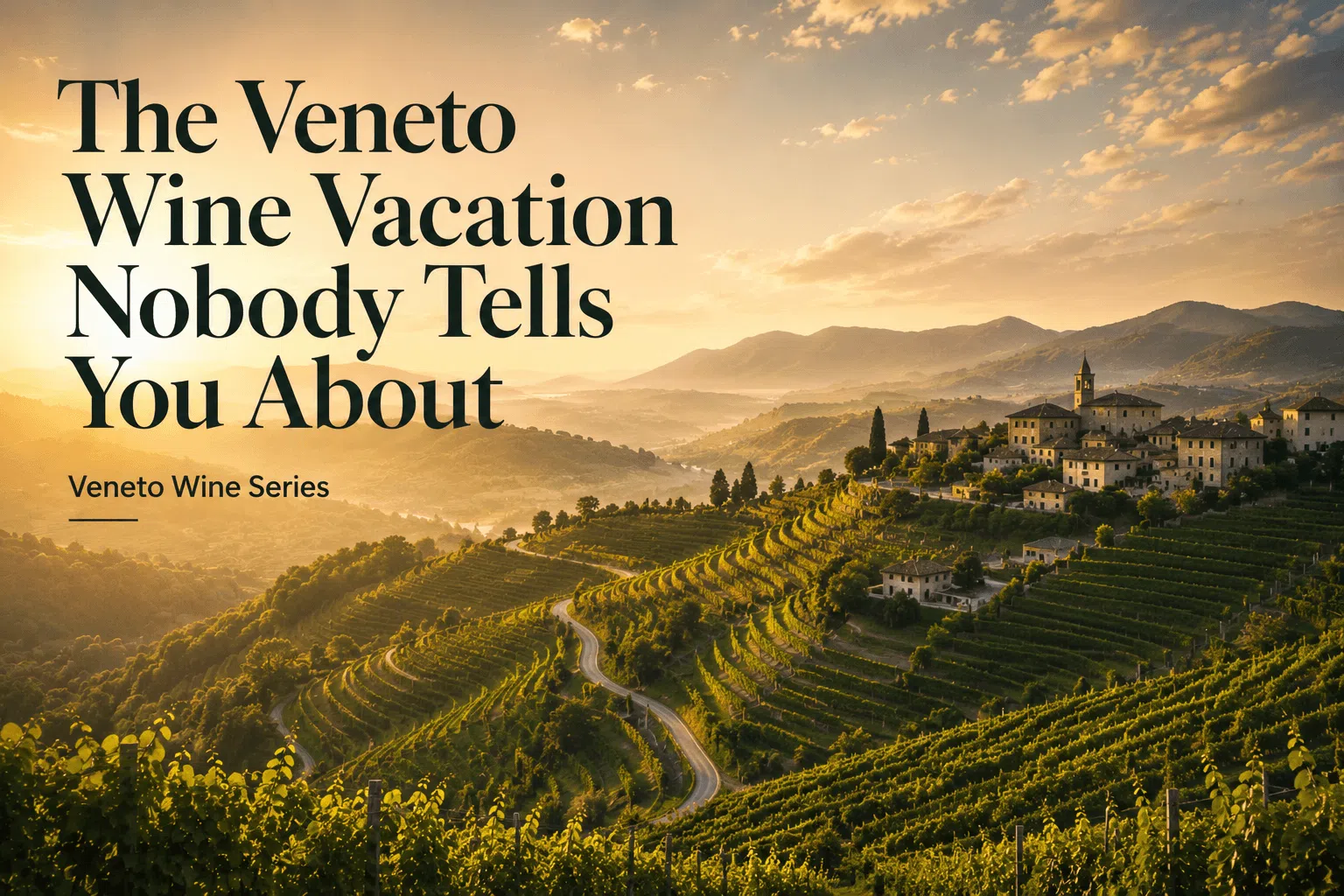
🍷 The Veneto Wine Vacation Nobody Tells You About
Quick Guide — Veneto Wine Vacation
- Where: Northeastern Italy — Veneto region, stretching from Venice to the Dolomites and west to Lake Garda
- Best wines: Prosecco DOCG, Amarone della Valpolicella, Ripasso, Soave Classico, Bardolino
- Best base: Verona — central, beautiful, and 20 minutes from Valpolicella
- Best time to visit: September–October for harvest season; April for Vinitaly
- How long you need: 5 days to do it properly. 3 days minimum. A week if you want to do it at an Italian pace, which is the right pace.
Most people who visit the Veneto never actually see the Veneto.
They land at Venice Marco Polo airport, take a water taxi into the city, spend three days walking over bridges and eating near the Rialto, and then fly home. Which is wonderful, truly. Venice is extraordinary.
But it’s also a little bit like going to Tuscany and only visiting the airport in Florence.
The Veneto stretches north from Venice all the way to the Dolomites, west to Lake Garda, east to the Slovenian border — and somewhere in all of that, tucked between medieval hill towns and UNESCO-listed vineyard terraces, is one of the most diverse and genuinely thrilling wine regions on the entire planet.
I live here. And I still discover something new every time I go looking.
If you are planning a wine vacation in Italy and you’ve already done Tuscany — or if you want to do Italy without the Tuscany crowds — this is the post you need. Here’s what a Veneto wine vacation actually looks like, where to go, what to drink, and why this region rewards the people who bother to leave Venice and actually explore it.
Where Should I Start a Wine Vacation in the Veneto?
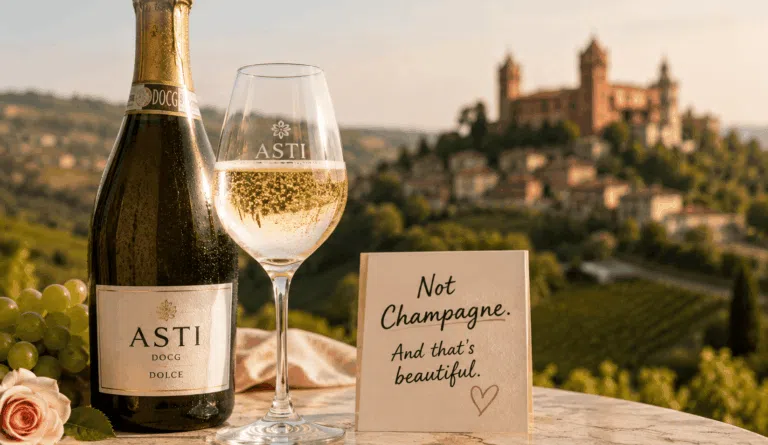
Start in the Prosecco hills. Not Venice. The hills.
Most wine tours of the Veneto begin in Venice and use it as a base. Nothing wrong with that. But if wine is the real reason you’re here, I’d suggest a different approach: start in the hills.
Specifically, start in Valdobbiadene or Conegliano — the two towns that anchor either end of the Strada del Prosecco, Italy’s oldest wine road, running through the UNESCO-protected hills of Conegliano Valdobbiadene.
The drive between the two towns takes about 45 minutes on the main road. On the wine road, it takes considerably longer — because you keep stopping. The hills roll in every direction, steep and impossibly green, with vineyard terraces climbing at angles that make you wonder how anyone gets equipment up there. The answer, mostly, is that they don’t. Most of this is still harvested by hand, which is one of the reasons Prosecco DOCG from this zone tastes different from the supermarket version.
Stop at a small producer. Not the famous ones with the tour buses outside — find a family with a sign at the end of their driveway and follow it. Sit outside if the weather allows. Drink something cold and local and don’t overthink it.
That’s the whole plan. It works every time.
Don’t miss: The viewpoint above Valdobbiadene at sunset. There is no bad angle in these hills but this one is unfair.
Best for: Anyone who just read our Prosecco Regional Guide and wants to see it with their own eyes. The guide tells you what it is. The hills show you why it matters.
Is Verona Worth Visiting on a Veneto Wine Vacation?
Absolutely. And not just for Romeo and Juliet.
Romeo and Juliet. The Roman Arena. The balcony that may or may not have anything to do with Shakespeare. Yes, yes, all of that.
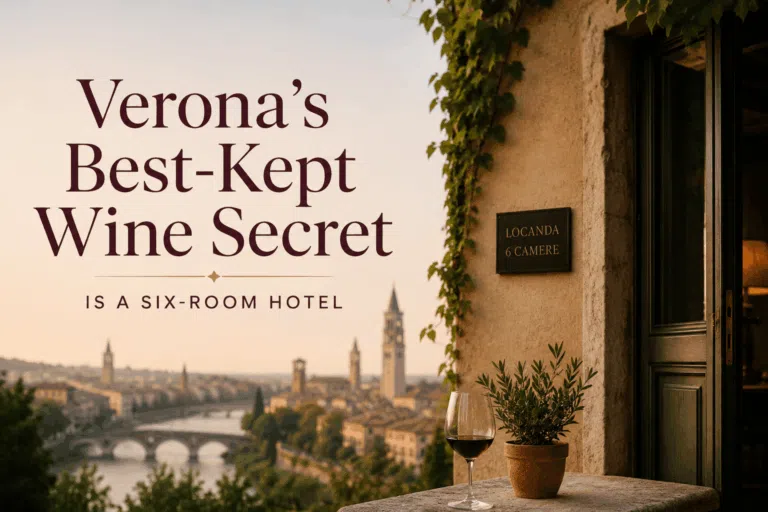
But Verona is also the wine capital of the Veneto and one of Italy’s most important wine cities — which is something the romantic tourists don’t always find out until they stumble into an enoteca and accidentally spend three hours in there.
Vinitaly, one of the world’s largest wine trade fairs, happens in Verona every April. The city fills with producers, buyers, sommeliers and enthusiastic amateurs from every wine-producing country on earth. I’ve watched people arrive looking like very serious wine professionals and leave three days later looking like they’ve just had the best week of their lives. Both things were probably true. If your trip coincides with it, go. Even if you can’t get trade access, the city during Vinitaly is electric in a way that’s hard to describe and considerably easier to experience.
Even outside of April, Verona’s wine bars are exceptional. The Valpolicella hills start just 20 minutes from the city centre, which means the wines on every list here are fresher, cheaper, and more varied than you’ll find almost anywhere else. Order an Amarone by the glass at a bar in Verona and you will immediately understand why people who live here don’t need much convincing to stay.
Base yourself here if you want to do both the Prosecco hills and the Valpolicella valley in a single trip — Verona sits roughly between both and makes the logistics considerably easier.
What Is Amarone and Where Is It Made in Italy?
Amarone is made in the Valpolicella valley — and it’s unlike almost anything else you’ll drink.
If the Prosecco hills are Veneto’s bright, cheerful, Tuesday-afternoon side, Valpolicella is its serious, brooding, this-requires-your-full-attention side.
The Valpolicella valley sits in the hills northwest of Verona, and it produces several wines — regular Valpolicella, Ripasso, Recioto, and the one everyone comes for: Amarone della Valpolicella DOCG.
Amarone is made from dried grapes. Not sun-dried raisins, not a quick afternoon in the heat — the Corvina, Corvinone and Rondinella grapes are harvested in autumn and then laid out on bamboo racks in well-ventilated lofts called fruttai for anywhere from 90 to 120 days, slowly losing water and concentrating everything inside them. Sugar. Flavour. Intensity. When the dried grapes are finally pressed, the resulting wine ferments slowly and completely — dry, powerful, complex, with a minimum of 14% alcohol and a character so distinct that you genuinely cannot mistake it for anything else.
The first time you try a properly aged Amarone — ten years old, fifteen years old — you’ll understand why some people dedicate their entire wine lives to this one wine.
If you ask anyone who actually lives in the Veneto where to go in Valpolicella, three names come up before the conversation gets very far.
Allegrini is the one locals say first. The family almost single-handedly dragged Valpolicella’s reputation out of the mass-production era and into something worth taking seriously. Their La Poja single-vineyard Corvina is the kind of wine that makes you go quiet. Their Amarone Classico is the benchmark. If you taste nothing else in the valley, taste these.
Masi is where wine history and literary history collide in a way that sounds slightly unbelievable until you’re actually standing there. The Serego Alighieri estate in Sant’Ambrogio is managed in partnership with the Alighieri family — direct descendants of the poet Dante, who has owned land in Valpolicella since 1353. Six hundred and seventy years of the same family on the same land. You can also thank Masi for essentially inventing the Ripasso technique — referementing Valpolicella on the dried skins left over from Amarone production, which produces something richer and more complex than basic Valpolicella but more accessible than a full Amarone. Middle ground, brilliantly executed.
Villa Monteleone is the smaller, quieter one. Book in advance, arrive on time, and prepare for an Amarone called Campo Santa Lena that will make you seriously reconsider your luggage allowance on the way home.
One non-negotiable rule: book all of these in advance. These producers are not running a drop-in tasting room. Show up unannounced and you’ll be standing in a very beautiful empty driveway with nothing to show for it.
Is Soave Worth Visiting in the Veneto?
Yes — and most people who skip it spend the rest of the trip quietly regretting it.
Let me tell you about Soave, the wine that spent most of the 1970s being mass-produced into something so thin and forgettable that its reputation basically collapsed under the weight of its own mediocrity.
Not a great start, I’ll admit.
But here’s what happened next. The serious producers — the ones who actually cared — quietly got on with making exceptional wine while everyone else wrote Soave off entirely. And now, three decades later, the best bottles coming out of the Soave Classico zone are genuinely surprising people who arrive with low expectations and leave with a case they have to figure out how to get home.
Soave Classico DOCG comes from the hillside zone around the medieval town of Soave itself — easy to spot by the castle sitting dramatically above the vineyards. Made primarily from Garganega grapes, a good Soave Classico has a texture and mineral quality that makes you pay attention in the way that the supermarket version absolutely does not prepare you for.
Pieropan is the name that comes up first and comes up often — their single-vineyard Calvarino and La Rocca are the benchmarks. Inama is equally worth your time, making wines that make you quietly grateful you didn’t skip this stop.
Soave from Verona is a 30-minute drive east. Morning winery visit, lunch outside with a glass of Classico and whatever the kitchen is doing with local salumi that day, back in Verona in time for aperitivo. That is a perfect half day and I say this from experience.
Lake Garda — Because You Deserve an Afternoon Off
Not everything on a wine vacation needs to be about wine. Some of it needs to be about sitting on the edge of a very large, very beautiful lake and doing nothing in particular.
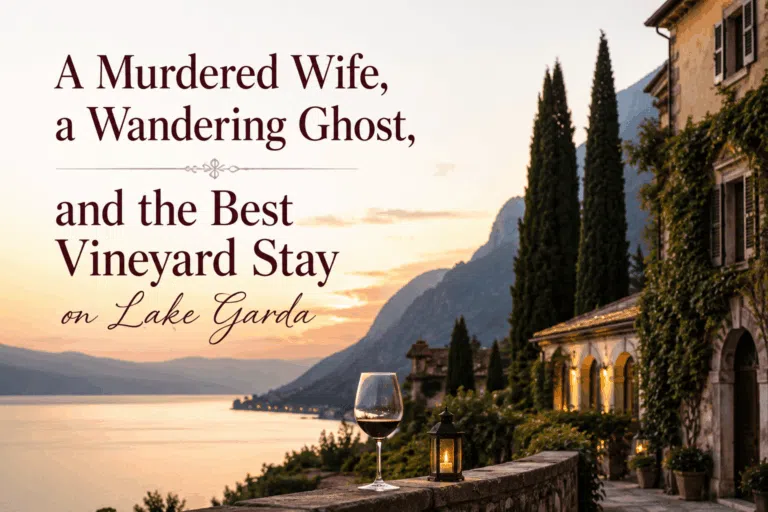
Lake Garda is the largest lake in Italy and it is, frankly, almost aggressively beautiful. Mountains dropping into water on the northern end, olive trees and lemon groves on the southern shores, little towns perched along the edge like they were placed there specifically to make you feel something. The first time I drove along the eastern shore I genuinely had to pull over for a moment. Not for directions. Just because.
Bardolino sits on that eastern shore and makes light, easy red wines from Corvina, Rondinella and Molinara — the kind of wine that tastes exactly right with lunch on a terrace when the lake is glittering and nobody has anywhere to be. Order a glass. Order another. You’re on holiday.
Sirmione at the southern tip deserves its own afternoon entirely. Roman ruins, a medieval castle sitting on a thin strip of land surrounded by water on three sides, restaurants that have clearly been feeding people well for decades. Take the boat from wherever you’re based rather than driving if you can. The approach from the water is one of those things you photograph and then realise the photograph never quite captures it. Go anyway.
How to Plan a Veneto Wine Vacation — The Practical Stuff
Base yourself in Verona. I’ll say it plainly because people spend too long debating this. Venice is gorgeous but it adds commute time to everything and charges you accordingly for the privilege. Verona puts you 20 minutes from Valpolicella and a comfortable drive from the Prosecco hills, with great food, great wine bars, and a city that’s genuinely beautiful without making your wallet cry every time you check in. That said — spend at least one night at a winery estate in Valpolicella if you can. Several of them have converted old farmhouses and historic buildings into accommodation and waking up inside a vineyard is a different experience entirely from reading about one. Even on this blog.
For time, three days is the minimum and you’ll spend two of them wishing you’d booked five. Five days is the sweet spot — Prosecco hills, Valpolicella, Verona, a half day in Soave, and still one morning to sit somewhere with a good coffee and do absolutely nothing. A full week lets you do all of that at an Italian pace, which means slowly, with long lunches, and no particular urgency about what happens next. That is the correct pace and don’t let anyone tell you otherwise.
You need a car. This is non-negotiable. Public transport in the Veneto works well between cities and will completely abandon you the moment you try to reach an actual winery. If you’re planning to drink — which you are, that’s the whole point — hire a driver for the winery days or join a guided tour. Italian wine country roads are narrow, winding, and spectacular, none of which makes them easier to navigate after three Amarone tastings.
September and October are the best months to come — harvest season, the hills golden and alive, producers at their most energetic and most willing to open something special. April if Vinitaly is calling. Late spring for the Primavera del Prosecco festival across the hills. August if you enjoy sharing a very beautiful region with approximately everyone in Italy at exactly the same time. Most people don’t. Come in October instead.
Frequently Asked Questions — Veneto Wine Vacation
What wines should I drink on a Veneto wine vacation? Start with Prosecco DOCG from the Conegliano Valdobbiadene hills — this is where the best Prosecco in the world is made. Then move to Amarone della Valpolicella for something serious and unforgettable. Add a glass of Soave Classico with lunch and a Bardolino on the shores of Lake Garda. That’s the Veneto in four glasses.
What is the best time of year to visit the Veneto for wine? September and October are the sweet spot — harvest season, beautiful light, and producers who are genuinely happy to see you. April works well if Vinitaly in Verona is on your radar. Avoid August if crowds bother you.
Is the Veneto better for wine tourism than Tuscany? Different, not better or worse. Tuscany has more name recognition and more infrastructure. The Veneto has more diversity — sparkling, red, white, dried-grape wines — and significantly fewer tour buses. If you’ve done Tuscany and want something that feels less scripted, the Veneto is the answer.
How far is the Prosecco region from Venice? About 60-80 kilometres north of Venice, depending on where exactly you’re heading. An hour by car. Not far at all — and one of the best day trips you can make from the city.
Do I need to book winery visits in advance in the Veneto? Yes. Especially in Valpolicella. These are working estates, not tourist attractions. Book ahead, show up on time, and you’ll be welcomed properly. Show up without a booking and you’ll be turned away politely but firmly.
One Last Thing
Most of the people I’ve met who did a Veneto wine vacation didn’t plan it as a Veneto wine vacation. They planned a trip to Venice, got talking to someone at dinner who mentioned the Prosecco hills, spent a day there, drove through Valpolicella on the way back, fell slightly in love with the whole thing, and came home with far more wine than their luggage allowance technically permitted.
That’s the Veneto for you. It doesn’t announce itself. It just quietly shows you something remarkable and waits to see if you’re paying attention.
Pay attention.
Planning your Italian wine trip? Read our Complete Guide to Prosecco before you go — and check out How to Plan a Wine Vacation in Italy for the full step-by-step. We’ve also covered Piedmont Wine Vacation and Sicily if you want to compare regions before committing.
#VenetoWine #WineVacation #ProseccoHills #Amarone #ItalianWineTravel #ValpolicellaWine #Verona
Enjoy wine without the snobbery?
Make The Finest Italian Wine one of your Preferred Sources on Google.
Add The Finest Italian Wine to Preferred SourcesDiscover more from The Finest Italian Wine
Subscribe to get the latest posts sent to your email.