What Italian Grandmothers Know About Wine that we Don’t
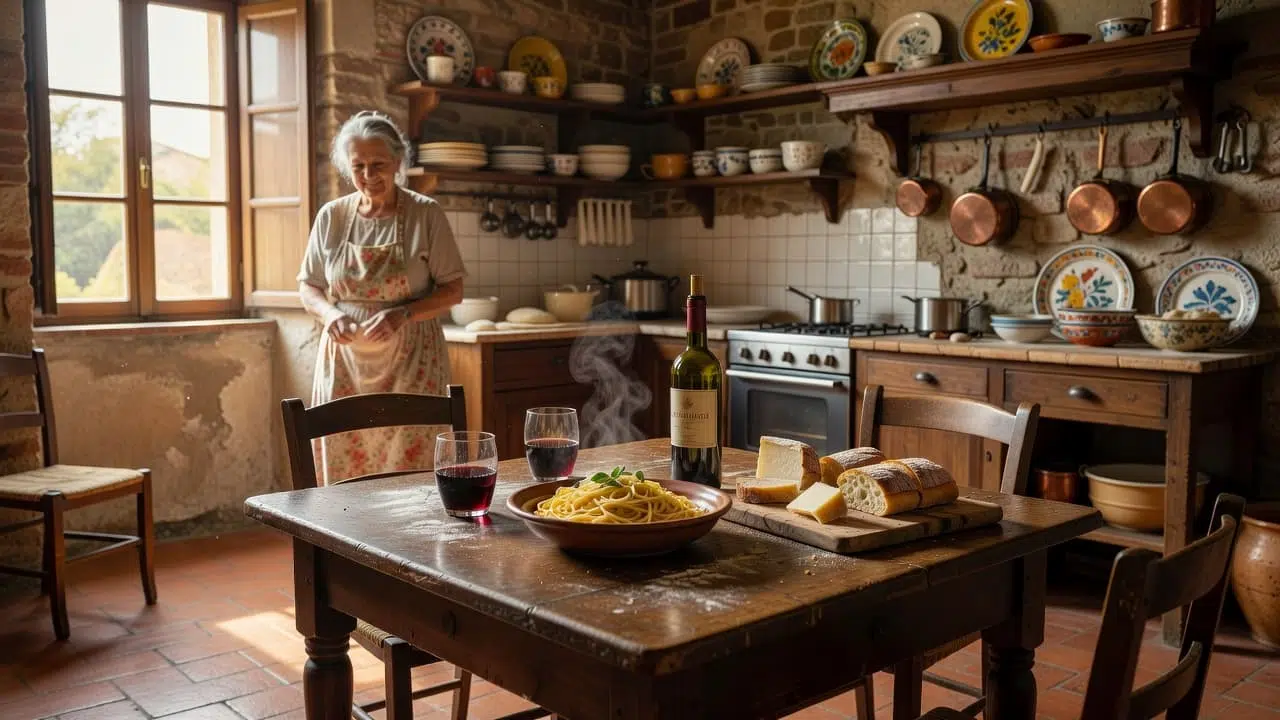
In many Italian kitchens, the wine arrives before anyone says grace and long before anyone says “notes of blackberry.” A grandmother sets down bread, fills the glasses halfway, and tells you to eat before the pasta gets cold.
That scene explains more about Italian wine than many tasting rooms do. Nonnas care about food, family, balance, and pleasure. That simple habit is where the real lesson starts.
Italian grandmothers keep wine simple, and that’s the point
Many of us meet wine through scorecards, price tags, and people who talk about wet stone as if they licked one. An Italian grandmother starts elsewhere. She asks what’s for lunch, who’s coming, and whether the salad needs more salt.
Wine belongs on the table, not on a pedestal.
In many homes, alcohol sits inside family life, not outside it. Understanding Italy’s look at drinking culture captures that plain, meal-first attitude.
Wine is for lunch, dinner, and conversation, not for showing off
She pours because chicken is roasting, or because the neighbor stopped by, or because Sunday lunch runs long. The bottle isn’t a trophy. It’s part of the meal, like olive oil or bread.
That changes the mood. Nobody needs a lecture. The best bottle is often the one emptied without debate, while someone reaches for more pasta.
A small pour can teach more than a long tasting speech
A grandmother may never say minerality, but she knows when a white wakes up fried zucchini. She trusts smell, taste, and memory. If a sip feels harsh or flat, she notices at once.
A small pour with lunch teaches more than ten minutes of grand talk. Wine proves itself in the glass, not in the speech around it.
What they know about Italian wine that many of us miss
Her habits look casual, but they hide a sharp education. Years at the table teach lessons many drinkers miss.
Food first, wine second, and that order changes everything
Food comes first, always. Tomato sauce wants freshness and enough acid to keep up. Roast chicken likes a soft red or fuller white. Salty cheese can make a plain local bottle taste sharp and alive.
That’s why brag-worthy wine often falls flat at dinner. Pairing doesn’t need charts. It needs common sense. Even guides on how to drink wine like an Italian circle back to the same idea: wine makes more sense beside a plate.
Cheap does not mean bad, and expensive does not mean better
Italian grandmothers are strong judges of value because they shop for dinner, not for applause. They know an honest table wine can do its job beautifully. Clean fruit, balance, and a pleasant finish matter more than a heavy bottle and a famous name.
Price can buy rarity. It doesn’t always buy pleasure. In Italian wine, cost and quality don’t move in lockstep.
The best bottle is the one people finish with a smile
People outside Italy sometimes ask odd questions, like whether Italians get tipsy every day from wine at dinner, because they picture wine as the main event. At a family table, pace changes everything. You sip with food, pause to talk, then sip again.
A memorable wine doesn’t need to be rare. It needs balance and enough ease that nobody leaves half a glass behind. That kind of bottle may never win a contest, but it wins the meal.
How their wine habits make every meal feel warmer
The charm of this habit is emotional as much as practical. A plain weekday bottle can make dinner feel warmer the second it hits the table.
They know that ritual matters, even when the bottle is plain
The ritual is small, but it works. The cork comes out. Glasses clink. Someone tears bread. Dinner shifts from routine to occasion.
Pouring for others first says welcome. Leaving the bottle on the table says stay. A second splash after the main course says nobody is in a rush.
They trust instinct, not trends, and that keeps wine fun
Trends move fast. One month it’s orange wine. Next comes chilled reds or whatever the coolest shop window pushes. A grandmother smiles and buys what works with her cooking.
That instinct keeps wine fun. You don’t need a seminar. You need a bottle you like, food with flavor, and people who are glad to be there. After that, the rest is noise.
The lesson that lasts
The funny part is that grandmothers often understand wine better because they ask less of it. They don’t need it to perform. They need it beside soup, roast chicken, and laughter.
If wine makes you nervous, borrow their method. Pour a modest glass, eat something good, and let Italian wine do what it does best, bring people closer.
Enjoy wine without the snobbery?
Make The Finest Italian Wine one of your Preferred Sources on Google.
Add The Finest Italian Wine to Preferred SourcesDiscover more from The Finest Italian Wine
Subscribe to get the latest posts sent to your email.