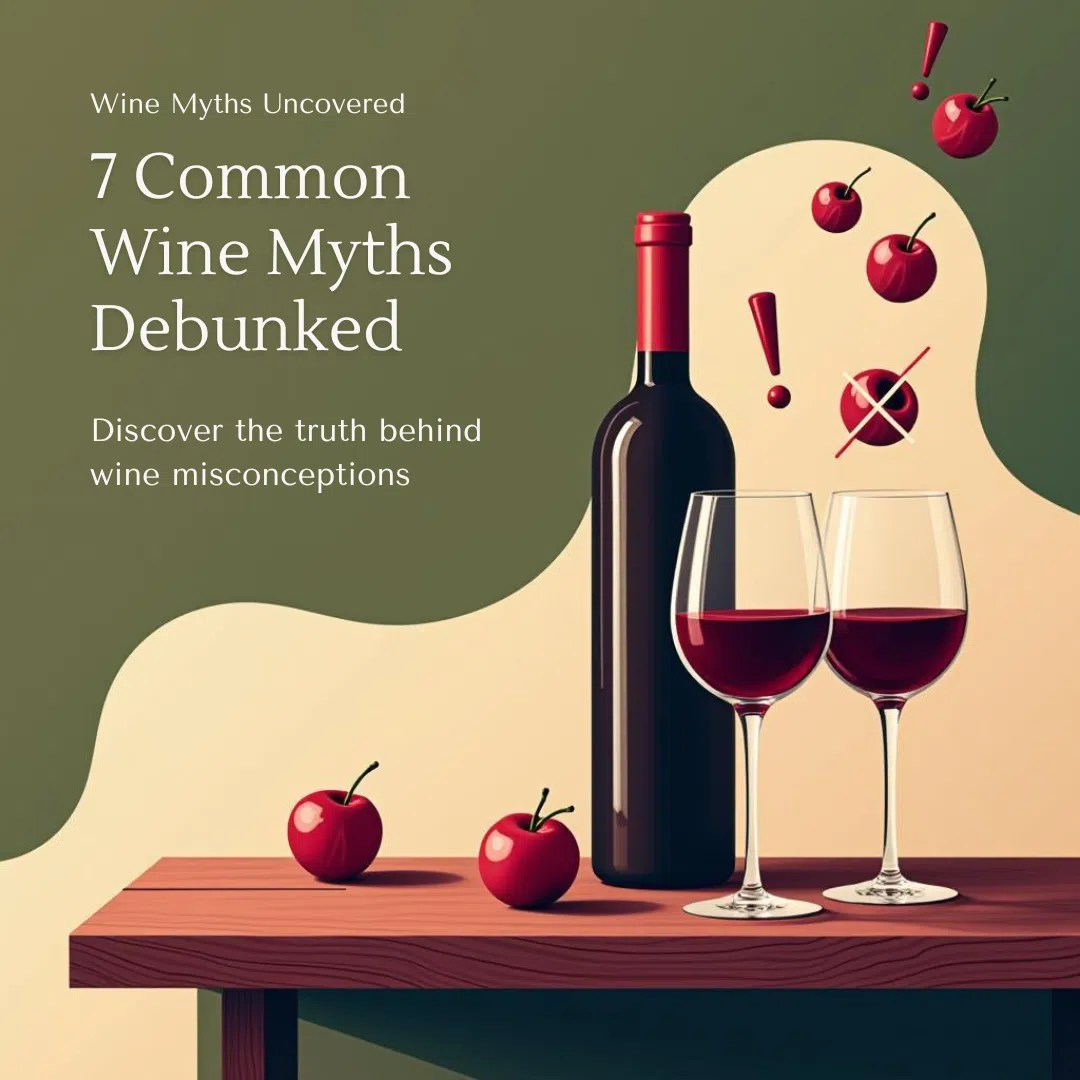
🍷 7 Common Wine Myths That Deserve to Be Debunked
Because wine should be about pleasure—not pressure
🍇 Introduction:
We believe that wine is for everyone—not just sommeliers, collectors, or those who can pronounce Châteauneuf-du-Pape without blinking.
Whether you’re sipping on a mid-week Moscato or hosting a dinner party with a bold Italian red, one thing is clear: there are far too many wine “rules” floating around that cause confusion, intimidation, and frankly, miss the joy of wine altogether.
So today, we’re uncorking some of the most common wine myths—those old ideas that even experienced drinkers still repeat. Let’s separate fact from fiction and help you sip smarter and with more confidence.
🍷 1. Red Wine Should Be Served at Room Temperature
The myth: Red wine is always better at “room temperature.”
The truth: That advice dates back to 19th-century Europe—where “room temperature” was a chilly 16°C (about 60°F). In most modern homes, room temperature is 21–24°C, which is too warm for most reds.
When served too warm, red wine can taste flat, overly alcoholic, and even a bit soupy.
👉 Instead, aim for:
- Light-bodied reds (like Pinot Noir or Gamay): 12–14°C
- Medium to full-bodied reds (like Merlot or Cabernet Sauvignon): 15–18°C
Pro tip: Chill your red wine in the fridge for 15–20 minutes before serving. It’ll taste fresher, more structured, and far more balanced.
🧊 2. White Wine Is Just for Summer Days
This myth is one of the reasons many wine drinkers miss out on the depth and versatility of white wine. Sure, a crisp Sauvignon Blanc or Vermentino sings on a hot day—but that doesn’t mean all whites are light and fleeting.
Full-bodied whites like:
- Oaked Chardonnay
- White Rioja
- Fiano di Avellino
- Sicilian Grillo
…are made to warm your soul in winter, pair beautifully with roasted dishes, and even stand up to creamy sauces and poultry.
White wines can also age beautifully, gaining richness, nuttiness, and complexity. Don’t underestimate their power just because they aren’t red.
🍬 3. Sweet Wines Are Cheap and Unrefined
One of the biggest injustices in the wine world is the way sweet wines have been misunderstood. Blame it on supermarket Moscato overload—but the truth is:
Some of the most revered, age-worthy, and expensive wines in the world are sweet.
We’re talking about:
- Sauternes from Bordeaux
- Tokaji Aszú from Hungary
- Eiswein (Ice Wine) from Germany or Canada
- Recioto della Valpolicella from Italy
These wines are complex, often with notes of honey, apricot, spice, and botrytis (“noble rot”). They’re stunning when paired with foie gras, blue cheese, or fruit-based desserts.
Sweet does not equal cheap—and it certainly doesn’t mean boring.
💸 4. The More Expensive the Wine, the Better It Is
Let’s face it: we all fall for this one sometimes. Expensive wine = better wine, right?
Not necessarily.
Price can be influenced by many factors other than quality, such as:
- Packaging and branding
- Prestige of the wine region
- Marketing budgets
- Scarcity or exclusivity
And yes, while a €70 bottle from Burgundy might be exquisite, you can find hidden gems under €15 from lesser-known regions like:
- Dão in Portugal
- Puglia or Sicily in Italy
- Mendoza in Argentina
- Languedoc in France
Blind tastings frequently show that people can’t reliably tell the difference between a €10 bottle and a €50 one. So, don’t be afraid to explore value wines and let your palate be your guide.
🧴 5. Screw Cap = Cheap, Low-Quality Wine
This myth still lingers, but it’s time to set it straight.
Screw caps (also known as stelvin closures) are not only convenient, but in many cases, better for preserving wine—especially whites and wines meant to be enjoyed young.
Countries like New Zealand and Australia embraced screw caps for both entry-level and premium wines, and now many winemakers in Europe are following suit.
Screw cap benefits:
- Less risk of cork taint (caused by TCA)
- Better preservation of fresh flavors
- Easier to reseal and store
So next time you see a Riesling from Clare Valley or Chardonnay from Marlborough with a screw cap, embrace it. It’s not cutting corners—it’s smart winemaking.
🥩 6. Red Wine with Meat, White Wine with Fish
Let’s retire this outdated rule once and for all.
Wine pairing is more about flavor intensity, texture, and cooking method than the color of the wine.
Some delicious “rule-breaking” examples:
- Seared tuna or salmon with Pinot Noir
- Creamy chicken or truffle pasta with aged white Burgundy
- Spicy Nigerian suya or jollof with a rosé or sparkling Lambrusco
It’s about balance. Consider acidity, body, and spice levels—not old-school stereotypes.
❤️ 7. Only Red Wine Has Health Benefits
Red wine often gets credit for its resveratrol, which may support heart health. But don’t discount white wine, rosé, and especially orange wine—which is made by fermenting white grapes with their skins, increasing polyphenol levels.
White wine can also offer:
- Antioxidants like tyrosol and hydroxytyrosol
- Lower tannins, which can be easier on digestion for some
- Bone health support from moderate white wine consumption (yes, it’s been studied!)
Moderation, as always, is key. But wine of any color can be part of a balanced lifestyle.
🍷 Final Sip: Let Wine Be Joyful, Not Judgmental
Wine isn’t about memorizing rules or impressing anyone—it’s about connecting with culture, sharing moments, and discovering flavors that move you.
At Kelly’s Wine Blog, we’re here to break down barriers, debunk myths, and make wine more accessible, more fun, and less intimidating.
So tell us—which wine myth did YOU believe until now?
Leave a comment or tag us on Instagram TheFinestItalianWine with your next myth-busting bottle.
Enjoy wine without the snobbery?
Make The Finest Italian Wine one of your Preferred Sources on Google.
Add The Finest Italian Wine to Preferred SourcesDiscover more from The Finest Italian Wine
Subscribe to get the latest posts sent to your email.